
 Call Us!
Types Of Workers’ Compensation Injuries
Being injured on the job can have immediate consequences on your ability to earn an income and result in medical treatment expenses. Workers’ compensation insurance helps address these concerns by providing coverage for a portion of your lost wages and covering 100% of your medical bills.
However, there are filing deadlines, and issues sometimes arise out of disputes between an employee and their employer. Whether you have questions about workers’ comp or your employer is refusing to file your claim, help is available from the Colorado workers’ compensation lawyers at Bachus & Schanker.
What Does Workers’ Compensation Cover In Colorado?
All employers in Colorado are required to have workers’ compensation insurance, even if they only have one employee. Workers’ comp covers injuries and occupational illnesses that occur while you are on the job. Most types of injuries and occupational illnesses are covered, regardless of fault.
Unlike personal injury claims, you do not need to prove negligence. However, there are some exceptions, such as deliberate, self-inflicted injuries, working while under the influence, or acts of God. Additionally, injuries that occur while not executing your job or during social or athletic events not associated with your work duties are not covered.
Common Types of Work-Related Injuries in Colorado
Work-related, workers’ comp injuries generally fall into specific categories, including:
- Immediate injuries: Cuts, scrapes, bruising, sprains, and strains.
- Traumatic injuries: Burns, fractured, broken, or crushed bones, deep lacerations, and head injuries.
- Repetitive stress injuries: Carpal tunnel syndrome, tendonitis, and joint injuries.
- Occupational diseases and illnesses: Hearing loss, illnesses related to being exposed to toxic or hazardous chemicals.
- Catastrophic injuries: Severe head injuries, traumatic brain injuries, partial or complete paralysis, spinal cord damage, loss of a limb, and wrongful death.
- Psychological injuries: Traumatic experiences, PTSD, excessive stress or anxiety, or developing a mental health disorder as a result of one’s work environment.
Other types of workers’ compensation injuries and accidents that are also covered under workers’ comp insurance in Colorado are:
- Neck, shoulder, and back injuries
- Hernias
- Facial injuries
- Slips, trips, and falls
- Car accidents
- Construction accidents
- Scaffold accidents
How Severity And Injury Type Affect Benefits
The severity and type of injury will directly affect your workers’ comp benefits. For example, you have a deep cut that requires stitches, but you can return to work immediately. Workers’ comp would cover all your medical expenses, but not necessarily the time you had to take off work to seek medical treatment.
Another scenario, you trip over damaged tile and fall down a flight of stairs, fracturing and breaking multiple bones, and experience a traumatic brain injury. Workers’ comp would cover all of your medical bills and two-thirds of your weekly average earnings until you reach MMI (maximum medical improvement) and are released by your doctor to return to your regular work duties.
What Medical Documentation Is Required For Workers’ Comp Benefits?
You will need to submit an injury claim in writing to your employer within 10 days of the accident. It is recommended to report the work injury directly to the state by completing form WC 15. You will also need to provide medical documentation that includes:
- List of your symptoms
- A medical diagnosis by the treating doctor
- Treatment plan
- X-rays
- MRI or CT scan results
- Drug screening test results
- Witness statements
- Accident report or police report






















How Can An Attorney Help Ensure The Injury Is Properly Classified And Valued?
While filing a workers’ comp claim is usually fairly straightforward, there are times when issues and disputes can arise. You might also have questions about workers’ comp and whether you are receiving all the compensation you are entitled to receive. Requesting a free consultation with an attorney is beneficial and provides free legal advice, proper valuation of your workers’ comp claim, and what options you have available.
If you retain an attorney for help filing your workers’ comp claim, they will:
- Gather the necessary evidence to support your claim.
- Work with your doctors to obtain detailed medical reports and documentation.
- Call upon expert witnesses, if needed, to support your injuries and claim.
- Correctly classify your injury as temporary or permanent.
- Examine other potential options you could pursue for compensation.
- Determine your eligibility for other benefit programs, like SSI or SSD.
- File your workers’ comp claim and handle all negotiations and appeals with the insurance company.
- Explain any potential workers’ comp taxes.
When To Contact A Workers’ Compensation Injury Lawyer
You are free to contact a workers’ compensation injury lawyer whenever you have questions or concerns about your workers’ comp claim. Your employer and their insurance company cannot stop you from seeking sound legal advice.
Other times you should speak with a workers’ comp attorney in Colorado include:
- Your employer or their insurance company is disputing your injury claim.
- The insurance company is questioning the severity of your injuries.
- The insurance company denies your claim.
- The insurance company denies coverage and claims the injury was not work-related.
- The insurance company denies paying for medical care, stating it was not needed or unnecessary.
- The insurance company is dragging their feet on paying your medical bills or lost wages.
- You believe you are entitled to more compensation than the insurance company says you are.
- The insurance company is disputing your recovery process and return to work date.
- Your injuries are more severe than initially diagnosed, and they will have long-term impacts on your ability to work.
- You are being harassed or pressured about returning to work before you have reached MMI.
- You have work restrictions per your doctor, but your employer is not adhering to those restrictions.
- You are diagnosed with an occupational illness.
Hiring a Colorado workers’ comp lawyer who knows the state’s workers’ comp system and related laws helps even the playing field. It ensures you receive maximum compensation allowed under workers’ comp laws.
Get Help With Your Workers’ Comp Claim In Colorado
If you have questions about workers’ comp, filing a claim, or have issues where your employer is refusing to file your claim, or your claim was denied, request your free consultation with Bachus & Schanker. We have offices in Englewood, Fort Collins, Colorado Springs, Denver, Aurora, Boulder, and Broomfield. We can help file your claim, appeal denials, and ensure you are receiving maximum benefits.
Legal Support Across Colorado and Nationwide
Serving Clients Nationwide
Related Workers Compensation Resources







#1 Amazon Best Seller in the Legal Industry
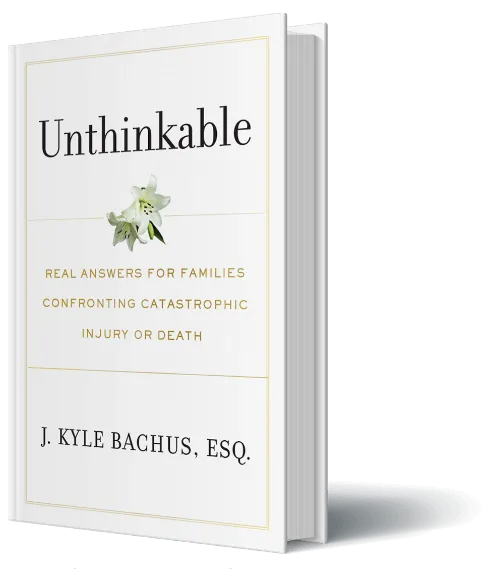
Attorney Kyle Bachus knows first-hand how difficult it can be to suddenly lose a loved one in an accident. It’s also devastating when you or a family member suffers severe injuries that forever change your lives. Kyle wrote this book as a resource from his personal experience for families who have suffered a traumatic loss.
A Spanish edition of the book is also available, offering the same support and guidance to Spanish-speaking families.
You Deserve Fair Compensation
Don’t let the insurance companies intimidate you into accepting less than you deserve. We’re ready to fight for you.