
 Call Us!
Maximum Medical Improvement (MMI) For Workers’ Compensation
In 2023, there were 2,569,000 nonfatal illnesses and injuries in the workplace involving the private sector. The majority of employers carry workers’ compensation insurance to cover medical expenses and lost wages.
One of the factors that plays a role in how long you can receive wage compensation is how long it takes you to reach MMI. Discover what MMI is and what it could mean for your claim today.
At Bachus & Schanker, our team of workers’ compensation attorneys provides the ongoing support you need as you go through the workers’ comp process.
What Is Maximum Medical Improvement (MMI)?
MMI is the point in a workers’ compensation case when a doctor determines that your condition has stabilized and will not improve further. This does not mean you have fully recovered, but that your condition has improved as much as it can.
In Colorado, physicians are responsible for making this determination. Once they decide you’ve reached MMI, your claim will go through a maximum medical improvement rating. This will help determine whether you can return to work or can file for permanent disability benefits.
Why Mmi Matters In A Workers’ Compensation Case
Reaching MMI will impact the benefits you receive in Colorado. In instances when a doctor determines that you have no impairments and no need for future care, benefits end, and you can return to work. It’s also possible to reach MMI but still require maintenance care. These medical benefits typically last only a few months.
Permanent partial disability is another option. This occurs if you have been assigned an impairment rating but can return to work in some capacity. It may be possible to still receive medical benefits after reaching MMI in these cases, but it usually requires assistance from attorneys.
Another potential outcome is to receive permanent total disability benefits. You may be eligible for these if you have reached MMI but cannot return to work. However, this is the most difficult outcome to obtain.
Permanent Impairment Ratings And Settlements
A permanent impairment rating is a percentage that a doctor assigns after you reach MMI. It puts a number on the lasting damage from an injury that you have suffered and helps determine future disability benefits. The more significant your impairment, the higher the percentage you will receive.
In Colorado, if you reach MMI and can’t return to unrestricted work because of your percentage of impairment, your employer has the option of offering you a position that takes those restrictions into consideration. You must accept this option or lose your benefits.
However, if your employer can’t accommodate your work restrictions, you can request retraining.
The rating you receive will play a significant role in your workers’ comp settlement. With that number, your doctor can calculate how many weeks of compensation you can receive. This number is then multiplied by your average weekly wage to get the total settlement amount.
When is it appropriate to dispute an MMI determination or impairment rating? If you don’t agree with the MMI determination because you believe that the extent of your injury is not being accounted for or if you think you are still improving, you can dispute the determination.
















Disputing An MMI Determination
No matter the types of workers’ comp insurance you have, you have a right to dispute the MMI determination. To do so, you will need to request a Division Independent Medical Examination (DIME).
The DIME process allows you to get a second opinion from another doctor about whether you have reached MMI. Your insurance carrier also has the right to ask for a DIME.
If you disagree with the DIME doctor’s evaluation, you have a right to ask the Division of Workers’ Compensation for a DIME panel, which is made up of three doctors. You and the insurer each have the right to strike off one name from the panel, leaving just one doctor to perform the assessment.
Whatever the DIME panel establishes is binding. Adjustments can occur only in extreme instances when there is clear and convincing evidence that disputes the DIME determination.
Because of the complexities of these processes, it’s essential to hire a workers’ compensation lawyer to help you. An attorney can assist you in fully documenting a workplace injury so that you can challenge the medical assessments.
If you’ve already received a maximum medical improvement rating that you don’t agree with, an attorney can file for a DIME evaluation and take care of the paperwork involved in this process. Additionally, they will ensure you don’t miss the filing deadlines in this process, which could prevent you from challenging the assessments.
Why Contact A Colorado Workers’ Comp Attorney After MMI?
There are numerous mistakes you can make after reaching MMI that could prevent you from receiving the benefits you deserve. One of these mistakes is to blindly expect that your benefits will continue. Reaching MMI often ends these benefits or would require that you attempt to get a permanent total disability rating.
Another error you can make is to fail to file your doctor’s MMI report. You need to do so within a specific timeframe, or it could negatively impact your benefits. Additionally, it’s essential that you follow all of your doctor’s treatment recommendations.
All too often, workers return to their jobs sooner than they have to. This can put your health in jeopardy. It’s vital to understand your rights and how long you have to heal.
Additionally, it’s essential to avoid settling too early. Insurance companies will typically make a low offer in the hopes that you’re desperate enough to accept it. In most instances, you can receive more.
To help you avoid these mistakes, one of the most important steps you can take is to hire a workers’ compensation lawyer in Colorado. At Bachus & Schanker, our team of lawyers has decades of experience assisting people in Englewood, Fort Collins, Colorado Springs, and Denver who have been hurt at work.
We understand the challenges the system poses and know how to present a strong case to help you obtain the benefits you are entitled to.
With our assistance, you can gather the most pertinent evidence and navigate the various steps of the claims process. Our compassionate and dedicated team is here to help you through this difficult moment.
Legal Support Across Colorado and Nationwide
Serving Clients Nationwide
Related Workers Compensation Resources





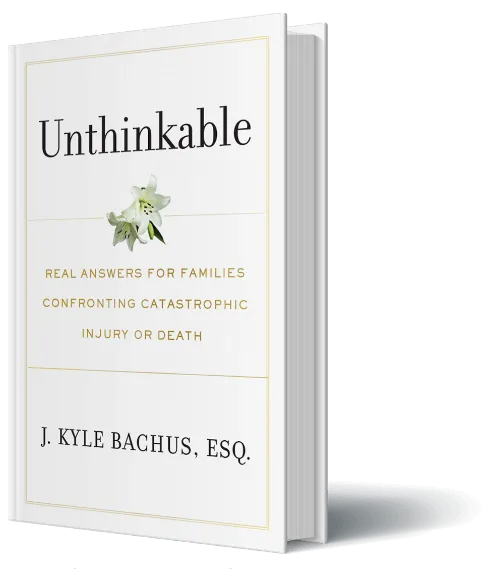
#1 Amazon Best Seller in the Legal Industry
Attorney Kyle Bachus knows first-hand how difficult it can be to suddenly lose a loved one in an accident. It’s also devastating when you or a family member suffers severe injuries that forever change your lives. Kyle wrote this book as a resource from his personal experience for families who have suffered a traumatic loss.
A Spanish edition of the book is also available, offering the same support and guidance to Spanish-speaking families.
You Deserve Fair Compensation
Don’t let the insurance companies intimidate you into accepting less than you deserve. We’re ready to fight for you.