
 Call Us!
Can I Quit My Job While on Workers’ Comp in Colorado?
Getting injured at work can be a life-changing event. After a work injury, issues like safety concerns, physical limitations, or mental trauma can push you to change careers or stop working entirely. But can you quit your job while on workers’ comp? Many injured workers wonder if their former employer’s workers’ comp insurer can cut them off from their benefits when they change jobs.
Generally, quitting will not automatically end your workers’ comp benefits in Colorado. However, every situation is unique, and certain benefits can be put at risk. A workers’ compensation attorney can analyze your case to assess the risks you face by quitting your job.
At Bachus & Schanker, we have protected injured Colorado workers for over three decades. Our experienced team can help you understand your options after getting hurt at work.
WHAT OUR CLIENTS SAY
·4.7 out of 5 · 2,650+ Google reviews
“I was injured on the job 3/22/22 and it took 3 years to get everything finished because of the poor job from the workmen’s comp insurance company. Michaela and Samuel did a fantastic job dealing with the issues. They kept me informed about everything that was going on throughout the whole process.”
John Zolman
Google review
“Thank you to Michaela for the great work that you did. I would recommend Bachus & Schanker for any of my workman comp needs. Can't ask for a better law firm when you need the help.”
Rudibaugh QuarterHorses
Google review
“They were there for me when I needed guidance most, keeping me informed throughout the case and making sure I understood each step. I really appreciated how responsive and supportive the team was from beginning to end.”
Lori J.
Client review
NOTABLE SETTLEMENTS
$50M
Medical malpractice
$38M
Hospital negligence
$20M
Car crash
$15M
Wrongful death
Past results do not guarantee future outcomes.
Types of Workers’ Compensation Benefits
Workers’ comp claimants may be eligible for three types of benefits in Colorado. First, there are medical benefits. With these benefits, your employer must pay for all reasonable and necessary medical treatments to address your injury. Additionally, you may be entitled to receive reimbursement for the following costs:
- Travel, such as mileage and parking.
- Over-the-counter medication.
- Medical supplies, such as bandages.
Second, you can receive wage replacement benefits. Also called temporary partial or total disability benefits, these payments are intended to replace a portion of the wages you cannot earn due to medical restrictions.
These benefits are calculated based on your average weekly wage. Typically, you will receive two-thirds of your average weekly wage, up to a statutory maximum. In other words, if you are a high-earner, you might receive less than two-thirds of your average weekly wage. However, most average earners receive the full two-thirds of their weekly pay.
Colorado has a three-shift waiting period for these benefits. Specifically, you must miss three work shifts due to your doctor’s orders before you can start receiving wage replacement benefits.
Disability benefits are another option. They are also referred to as permanent total or partial disability benefits. These payments aim to compensate you for any permanent loss of function or disfigurement you suffered in your work-related accident.
You receive disability benefits when you reach maximum medical improvement. In other words, the insurer agrees with your doctor that additional treatment or therapy will not improve your condition.
Can I Quit My Job While on Workers’ Comp and Keep My Benefits?
Colorado is an at-will employment state. Both employers and employees have the freedom to terminate the employment relationship for any reason or no reason, with a few exceptions.
When you file a workers’ comp claim, your employer is free to terminate you, as long as their purpose is not to retaliate against you for filing the claim. For example, your employer could fire you if you break the company’s safety rules and are injured during it.
Likewise, you are also free to quit. When you quit, you will be entitled to keep your medical benefits, regardless of whether you work or where you work. Your employer’s insurer at the time of your accident is responsible for your benefits, even if you changed jobs before or after your claim.
For example, suppose you were exposed to a toxic substance at work, changed careers, and developed cancer from the toxic exposure while working for another company. Your first employer’s insurer is responsible for paying your medical benefits because your injury occurred during your employment there.
However, your temporary or permanent disability benefits may be jeopardized if you quit your job after filing a claim.
Quitting After Filing a Claim
Quitting raises three possible issues when it comes to disability benefits. First, you may lose your temporary disability benefits because they are based on your wage losses.
If you change jobs, you might not have any wage losses, depending on your new work tasks. For example, suppose you injured your back and were unable to lift. If your new job requires no lifting, you can work full-time and, thus, have no wage losses.
Second, if you aggravate your injury after changing jobs, it may not be clear which insurer is responsible for your claim. Specifically, your former employer’s insurer may terminate your benefits and force you to file a new claim. Then, your new employer’s insurer may deny your claim because the original injury occurred elsewhere.
Third, your benefits depend on your work restrictions or permanent disabilities. If you take on new work, you might disprove that your abilities were impaired by your injuries. As a result, the insurer may terminate your claim.






















Quitting Before Filing a Claim
Quitting before filing a claim raises the same issues. Thus, you should expect an insurer to be much more skeptical about paying any wage replacement benefits if you quit before you file your claim. You may still receive medical benefits, but your workers’ comp attorney must prove that the injury occurred while working for your prior employer.
Contact a Skilled Workers’ Compensation Lawyer Today
The rules governing workers’ compensation are complicated and often fail to address a particular situation. Insurers may exploit these gaps to deny claims when you change jobs.
A workers’ comp attorney from Bachus & Schanker can help you understand your risks of quitting your job while receiving benefits.
FAQ
Legal Support Across Colorado and Nationwide
Serving Clients Nationwide
Related Workers Compensation Resources






#1 Amazon Best Seller in the Legal Industry
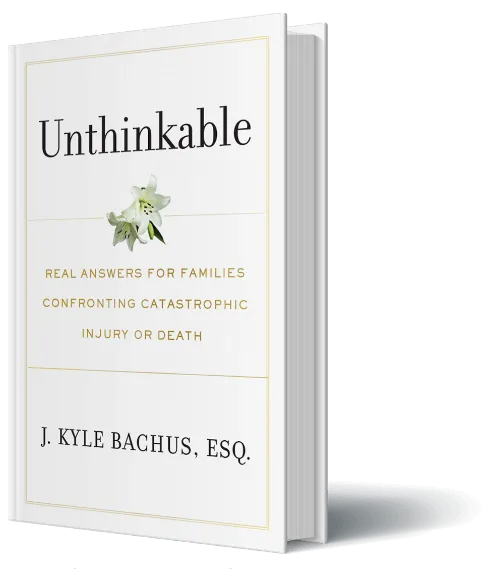
Attorney Kyle Bachus knows first-hand how difficult it can be to suddenly lose a loved one in an accident. It’s also devastating when you or a family member suffers severe injuries that forever change your lives. Kyle wrote this book as a resource from his personal experience for families who have suffered a traumatic loss.
A Spanish edition of the book is also available, offering the same support and guidance to Spanish-speaking families.
You Deserve Fair Compensation
Don’t let the insurance companies intimidate you into accepting less than you deserve. We’re ready to fight for you.