
 Call Us!
What Is a Personal Injury Settlement Release?
When a personal injury happens and a victim reaches the end of the claims process, where the settlement is being finalized, an important document known as a personal injury settlement release will need to be signed. This document signifies the end of the civil lawsuit and can provide a sort of closure to victims.
However, before signing this document, many victims might be left feeling hesitant to close that final chapter, especially if they have questions about whether their rights were fully represented and protected in the settlement. This is where the expertise of a trusted personal injury lawyer can be crucial.
Let’s take a closer look at the details of a general release of personal injury claims via a release statement and important considerations you should keep in mind, so you navigate your settlement release with confidence.
WHAT OUR CLIENTS SAY
·4.7 out of 5 · 2,650+ Google reviews
“After my accident, I called Bachus and Schanker on the recommendation of a friend. They were always compassionate and understanding. My attorney explained the process to me. My calls and emails were promptly returned. We reached a substantial settlement.”
Susan Howell
Google review
“I am writing to express my sincere gratitude for the assistance I have received from Yvonne regarding my accident claim. She has kept me updated with any changes and has been incredibly professional.”
Jeramy King
Google review
“They handled my accident claim with care, kept me updated every step of the way, and made the entire process so much less stressful. Their communication was excellent, and I never felt left in the dark.”
Ajay
Google review
“Derek took my call and provided me with essential details of the processes involved with an accident injury case. After speaking with him, I felt a sense of genuine relief and did not feel confused about where to go from here.”
Sharon Bailey
Google review
NOTABLE SETTLEMENTS
$50M
Medical malpractice
$38M
Hospital negligence
$20M
Car crash
$15M
Wrongful death
Past results do not guarantee future outcomes.
What Is a Settlement Release?
A settlement release is a legally binding contract that’s signed between an injured party and the defendant or the defendant’s insurance company.
The settlement agreement will establish agreed upon terms, including:
- The settlement amount
- A payment schedule
- Specific terms and/or conditions
In exchange for the victim signing the settlement agreement, victims also agree to give up the right to pursue any further action against the involved party in the settlement release.
Do You Have To Sign a Settlement Release?
No. You do not have to sign a settlement agreement in any personal injury case, but not signing an agreement means you will not receive a settlement payout. Typically, deciding not to sign a settlement release means your case is going to trial to be heard in front of a judge or jury.
If you do enter settlement negotiations and land on a settlement amount, you must sign the settlement release to receive your settlement funds. The insurance company will not issue a compensation check until the settlement release is signed.
It’s important to understand, however, that you should never sign a settlement release until you fully understand the details of that settlement release. This is where the expertise and guidance of a legal representative is invaluable.
An experienced Colorado personal injury attorney will help you understand the terms of the settlement agreement and will ensure that your rights are fully protected before you sign.
Can You Negotiate a Settlement Release?
Yes, you can negotiate a settlement release, and you absolutely should negotiate with the parties involved. Insurance companies will often present you with a lowball settlement offer and will typically try and rush you to agree, so they can close your case.
However, the right personal injury attorney will know how to negotiate on your behalf, ensure that the terms of the release are clear and fair, and that you are fully compensated for all the damages you’ve suffered.
What Happens After You Sign a Settlement Release?
After you have signed the release, your personal injury claim is permanently closed. The insurance company will process the check and will begin the payment process as defined by the terms of the agreement.
As a result, you will also permanently waive your right to any future compensation for damages, including but not limited to, your pain and suffering, medical bills, lost wages, and even disability associated with the accident.
This remains true, even if you discover down the road that your injuries were more serious than you had originally thought.
Once a claim is closed, it cannot be reopened.
Can You Sue After Signing a Release?
Typically, no, once a settlement release is signed, you have waived your right to sue.
However, there are some incredibly rare exceptions, and if these exceptions apply to you, you may be able to have your case reopened.
Some of these rare exceptions include being able to prove the following:
- The defendant acted fraudulently or coerced you in some manner.
- The settlement was entered in bad faith.
- You were forced to enter into the agreement under duress.






















What Should You Check Before Signing?
Because of the weight that lies with signing a settlement release, it’s important that you go over your settlement release carefully beforehand.
Here are some of the most important things to check before you sign:
- Who is being released? Ensure that the settlement only applies to a specific party that you’re dealing with and that it doesn’t apply to other potential defendants as well.
- What claims are you waiving? Confirm that the settlement release only covers the incident and does not include other unrelated claims.
- What future and medical costs are covered? If you anticipate that you’ll need ongoing medical care, ensure the release either includes these expenses or leaves them open all together.
- What is the settlement amount? Go over the settlement amount and the paperwork to determine that the agreed upon amount and payment terms is what is described in the contract.
- Are there any extra clauses? Read carefully to ensure there are no extra clauses, including indemnification, confidentiality, or non-disparagement provisions as these can create additional obligations.
Mistakes To Avoid
When navigating a settlement release, there are also some mistakes to avoid as well.
Keep the following in mind:
- Don’t sign too early: Your insurance company will try to coerce you to sign a settlement release quickly and early on, minimizing your ability to fully understand the process or fully gather the evidence you need to determine the appropriate compensation on what you may be owed.
- Receive a full diagnosis first: Wait until you’ve received a full diagnosis so you can understand the extent of your injuries.
- Reach the MMI date: Don’t sign a release until you’ve reached the maximum medical improvement (MMI) date before signing a release. This is the date that your injury has stabilized, and/or no other advances in your recovery process are expected. Waiting until this date allows you to fully understand the extent of your injuries and any future medical costs that may be associated.
When Should You Sign a Release?
You should sign a release only after you have reached your maximum medical improvement (MMI) date, the date where your doctor confirms your condition has plateaued, and no future treatments are necessary or reasonably clear.
You should also wait to sign the release until an experienced personal injury attorney has reviewed your settlement release to ensure the terms cover you fully.
How Can a Lawyer Help Review a Release?
At Bachus & Schanker, our personal injury attorneys have a full understanding of the state’s personal injury laws and how those laws are executed to represent you following a personal injury.
In addition to fighting for your rights and negotiating aggressively on your behalf, our attorneys can help you recover the compensation you deserve from all defendants responsible by negotiating terms that allow you to go after each defendant, even if you sign a settlement release with one particular defendant.
Our attorneys can help collect critical evidence to support your case, calculate the compensatory damages you’re owed, and help answer all your questions as you move through the claims process.
You don’t have to navigate a settlement release process alone. Speak with an attorney today to schedule your free case evaluation and learn more about your legal rights and options when signing a settlement release.
Legal Support Across Colorado and Nationwide
Serving Clients Nationwide
Related Personal Injury Resources













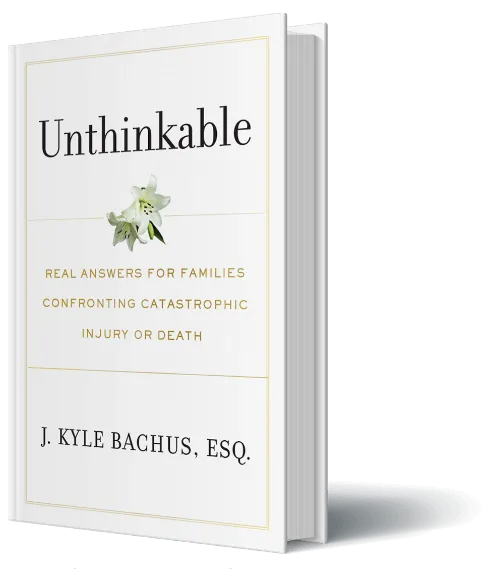
#1 Amazon Best Seller in the Legal Industry
Attorney Kyle Bachus knows first-hand how difficult it can be to suddenly lose a loved one in an accident. It’s also devastating when you or a family member suffers severe injuries that forever change your lives. Kyle wrote this book as a resource from his personal experience for families who have suffered a traumatic loss.
A Spanish edition of the book is also available, offering the same support and guidance to Spanish-speaking families.
You Deserve Fair Compensation
Don’t let the insurance companies intimidate you into accepting less than you deserve. We’re ready to fight for you.