
 Call Us!
Average Wrongful Death Settlement in Colorado
If you were involved in a car accident and sustained injuries, chances are you are experiencing physical pain and psychological effects. These should be considered when claiming compensation.
But how much do insurance companies pay for pain and suffering?
It’s crucial to be adequately informed about pain and suffering damages and how to receive what you deserve.
WHAT OUR CLIENTS SAY
·4.7 out of 5 · 2,650+ Google reviews
“We have been settling a matter for the last six months on wrongful death through Bachus Schanker. Howard and Andrea were always responsive with our calls and questions concerning our case. We appreciate them for guiding us through this situation.”
Gayle George
Google review
“The entire experience with Bachus and Schanker has been a very positive one. Matt Colony has been quite sensitive to our family's situation regarding my brother's death. He sent timely communications and kept me up to date on how the investigation into the car accident was progressing.”
Cindy Lambert
Google review
“They were there for me when I needed guidance most, keeping me informed throughout the case and making sure I understood each step. I really appreciated how responsive and supportive the team was from beginning to end.”
Lori J.
Client review
NOTABLE SETTLEMENTS
$50M
Medical malpractice
$38M
Hospital negligence
$20M
Car crash
$15M
Wrongful death
Past results do not guarantee future outcomes.
What Are Pain and Suffering Damages?
Pain and suffering damages are non-economic damages in personal injury cases. They cover two primary areas — physical pain and discomfort and emotional and psychological harm.
Physical pain and discomfort are the actual pain and discomfort you are experiencing because of your injuries, including chronic pain and physical limitations.
On the other hand, emotional and psychological harm includes physiological impacts stemming from the accident and your injuries. Examples are post-traumatic stress disorder (PTSD), anxiety, depression, and loss of enjoyment of life.
Pain and suffering damages allow you to be compensated for enduring ongoing pain and psychological issues that can significantly affect the quality of your life.
What Factors Affect Pain and Suffering Compensation?
Various factors come into play when answering how much you can obtain for pain and suffering.
This includes:
- Degree of fault and available insurance coverage: If it’s established that you were partially at fault for the accident, your compensation will be reduced by your degree of fault. Moreover, an insurance company can cap the maximum amount of compensation based on the at-fault driver’s insurance policy limits.
- Severity of injuries: Typically, severe injuries result in chronic pain and psychological impacts that can last longer. A person who sustains a traumatic brain injury or spinal cord injury can get higher compensation for pain and suffering.
- Length of recovery: The longer your recovery process, the higher the potential compensation. If it takes more time for you to reach maximum medical improvement (MMI), this will be considered when calculating your compensation.
- Impact on daily life and activities: Injuries that prevent you from engaging in daily activities, working, or hobbies can increase pain and suffering damages.
- Emotional or psychological effects: PTSD, anxiety, depression, and other psychological effects are included in compensation.
- Whether injuries are permanent or long-term: Injuries that cause permanent disabilities or long-term effects, such as scarring and disfigurement, can command higher compensation.
- Strength of medical and supporting evidence: To receive higher compensation for pain and suffering damages, you’ll need solid medical and supporting evidence. These include detailed medical records to prove the severity of your injuries, statements from therapists/psychiatrists to prove psychological effects, testimony from experts and loved ones, and personalized journals detailing daily pain levels, physical limitations, and emotional challenges.
How Is Pain and Suffering Calculated?
There is no fixed formula for calculating pain and suffering damages. Instead, insurance companies and attorneys usually use negotiation tools or estimation methods. The main ones are the multiplier and per diem methods.
With the multiplier method, the total economic damages are multiplied by a number between 1.5 and 5, based on the severity of the damages. So, if all your quantifiable losses sum up to $50,000 and a multiplier of 3 is used, you can receive $150,000 for pain and suffering.
The per diem method assigns a reasonable dollar value to each day you suffer or are expected to suffer. The daily rate typically reflects the severity of the injury and its impact on daily life. However, your daily earnings can also be considered, as it’s often justified that dealing with pain and limitations is at least as difficult as going to work each day.
If a $200 daily rate is assigned and it takes you 150 days to reach MMI, you may receive $300,000 for pain and suffering.
Note that these methods are tools, not guarantees, and outcomes vary by case. For instance, the at-fault driver’s insurer may challenge the multiplier used or the daily rate assigned, which can lead to further negotiations.
Challenges in Recovering Pain and Suffering Damages
You may encounter several challenges when recovering pain and suffering damages.
Common ones include:
- Pre-existing conditions: If you have a pre-existing health condition, an insurance company may argue that the pain and suffering you are experiencing stems from it.
- The subjective nature of pain and suffering: Pain and suffering damages are difficult to quantify compared to economic damages, like medical expenses and lost wages.
- Insurance company efforts to minimize claims: Insurance adjusters often use tactics to undervalue subjective claims. They may dispute the severity of your injuries or monitor your social media posts to catch you engaging in any activity that shows you are not suffering as you claim.
- Gaps in medical treatment or documentation: If you have gaps in your medical records, an insurer can argue that if you were in pain, you would have sought continuous care. Taking too long to seek medical help after a car accident can also allow an insurer to argue that another incident might have caused your injuries.






















What Can Help Strengthen a Pain and Suffering Claim?
You can build a strong case that weakens any potential challenge an insurer might pose. You can do this through:
- Consistent medical treatment: Seeking medical attention immediately after a car accident helps you link your injuries to the accident. Further, you should attend all your appointments with your doctor, physical therapist, psychologist, psychiatrist, etc.
- Clear documentation of symptoms and limitations: Ensure you keep all your medical records and notes from professionals and a personal pain journal, detailing pain intensity and limitations.
- Following medical advice: Follow the treatment plans and advice given by your doctor. Failing to do so, for instance, by returning to work too early or skipping appointments, makes it easier for an insurance company to argue your injuries are not serious.
- Avoiding premature settlements: Waiting until you reach MMI to settle allows you to understand the full scope of your injuries, and, in turn, account for all damages when claiming compensation.
How a Personal Injury Attorney Can Help
A personal injury attorney can substantially help you when claiming pain and suffering damages.
They will do this by:
- Evaluating fair compensation ranges: Your attorney will use their expertise and work closely with other professionals to understand the impacts of the accident in-depth to determine a fair compensation range.
- Gathering medical and expert evidence: Evidence is crucial in personal injury cases. Your lawyer will help you gather evidence, including medical records, witness statements, and photos/videos of injuries, and obtain expert testimony to strengthen your case.
- Negotiating with insurance companies: Attorneys are skilled at negotiating with insurance companies. Working with a lawyer protects you from a low settlement for pain and suffering.
- Taking a case to court, if necessary: If a fair settlement can’t be reached, your attorney will be prepared to take the case to court.
Recovering pain and suffering damages is essential when you are injured in a car accident. At Bachus & Schanker, we are passionate about fighting for the rights of injured victims.
Legal Support Across Colorado and Nationwide
Serving Clients Nationwide
Related Personal Injury Resources






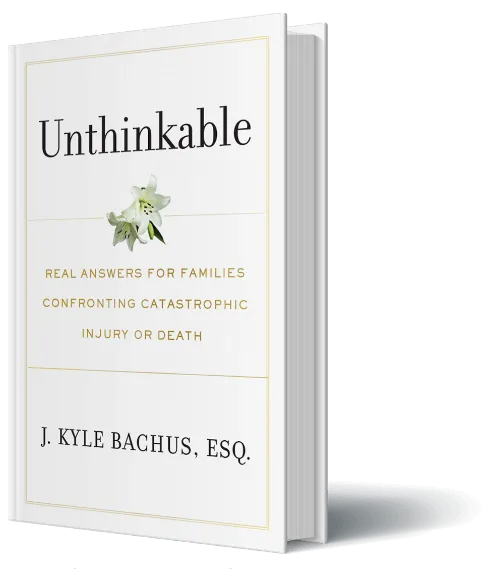
#1 Amazon Best Seller in the Legal Industry
Attorney Kyle Bachus knows first-hand how difficult it can be to suddenly lose a loved one in an accident. It’s also devastating when you or a family member suffers severe injuries that forever change your lives. Kyle wrote this book as a resource from his personal experience for families who have suffered a traumatic loss.
A Spanish edition of the book is also available, offering the same support and guidance to Spanish-speaking families.
You Deserve Fair Compensation
Don’t let the insurance companies intimidate you into accepting less than you deserve. We’re ready to fight for you.