
 Call Us!
Truck and Delivery Drivers’ Workers’ Comp
Truck and delivery drivers can face a wide range of potential injuries and accidents. While on the job, they may be covered under workers’ compensation insurance through their employer.
In cases where they are not, they may have other legal options, like filing a personal injury claim against the responsible party.
If you are a truck or delivery driver in Colorado and have been injured, find out your legal rights and options from our workers’ comp lawyers.
WHAT OUR CLIENTS SAY
·4.7 out of 5 · 2,650+ Google reviews
“Just want to leave a message thanking Ryan Guerin and Hugh O'Sullivan for taking the time to meet and answer questions during intake at the rehabilitation center my mother is being treated at. My mom was in a severe motor vehicle accident and hasn't been able to walk. Both Ryan Guerin and Hugh O'Sullivan arrived on time, prepared, and listened with empathy and precise data gathering.”
Karen Wold
Google review
“I was victim of a car accident on I-25, hit by three other vehicles. Jennifer Kilpatrick and her paralegal Trina took my case and that was the best thing that could have happened. They fought for me and got me the best result.”
Priscilla Hochschild
Google review
“I was recommended to Bachus and Schanker due to being involved in a recent accident. They have been so helpful, professional, and I absolutely would recommend them.”
Heather K.
Google review
NOTABLE SETTLEMENTS
$20M
Car crash
$15M
Car crash
$11.5M
Auto accident
$4.7M
Truck accident
Past results do not guarantee future outcomes.
What Workers’ Compensation Benefits Can Truck and Delivery Drivers Receive in Colorado?
In order to qualify for potential Colorado workers’ comp benefits, you must be classified as an employee, not a gig worker or an independent contractor.
Benefits you could claim include:
- Medical treatment: 100% of all your medical expenses related to your work injury.
- Travel and mileage reimbursement: Travel expenses and mileage to and from treatment facilities and medical appointments.
- Temporary disability benefits: Partial and total disability benefits that pay up to two-thirds of your average weekly wages.
- Permanent disability benefits: Partial and total disability benefits that could provide up to two-thirds of your average weekly wages for life.
- Wage replacement: Lost wages are covered while on truck and delivery drivers’ workers’ comp. You receive two-thirds of your average weekly pay.
- Death benefits: Eligible dependents can receive workers’ compensation with bi-weekly payments that cover two-thirds of the deceased worker’s average weekly wage.
- Vocational rehabilitation, when applicable: If you can’t return to your regular job after reaching MMI (maximum medical improvement), workers’ comp helps cover vocational rehab costs.
What Types of Injuries Can Truck and Delivery Drivers Develop at Work?
Some of the more common injuries truck and delivery drivers can experience are:
- Back, neck, and shoulder injuries
- Sprains, strains, and repetitive-motion injuries
- Slip-and-fall injuries
- Injuries from loading/unloading cargo
- Injuries caused by vehicle crashes
- Exposure to hazardous substances
- Injuries from being assaulted
Are Truck and Delivery Drivers Covered by Workers’ Compensation in Colorado?
Colorado law requires all employers to carry workers’ comp insurance, even if they have only one employee. However, there are some exceptions when you are not a direct employee, as follows:
- Gig workers: You are classified as an independent contractor and not covered by workers’ comp insurance. However, some platforms will offer drivers a limited injury insurance policy.
- Independent contractors and owner-operators: If you drive a commercial vehicle or semi-truck weighing over 16,001 pounds, Colorado law does not require the shipping company or contractor to provide truck and delivery drivers’ workers’ comp. Instead, they must provide Occupational Accident Insurance coverage.
Some trucking, shipping, and delivery companies intentionally misclassify drivers as independent contractors to get around paying workers’ comp insurance. Under Colorado laws, if the company you work for:
- Sets your route and working hours
- Owns the vehicle you drive
- Or controls how you do your job
You may be considered an employee, regardless of how the company classified you or what your contract says and still qualify for workers’ comp benefits.
What Should You Do After a Work-Related Truck or Delivery Driver Injury?
There are specific steps you should follow if you are injured while working. They include the following:
- Report the injury: You must notify your employer in writing within 10 days of the accident.
- Seek medical treatment: Do not delay getting treated. For emergencies, go to the ER. For non-emergencies, ask your employer for the Designated Provider List and choose a physician from this list to go see.
- Document the accident and injuries: Take pictures and videos of the accident scene and your injuries. Obtain contact details from any witnesses.
- Follow employer/insurer claim procedures: Follow the procedures your employer or their insurer requires. You can also file a Worker’s Claim for Compensation directly with the state yourself to have it on record.
- Keep records of medical care and missed work: Keep accurate records of your medical treatment and lost wages.
- Follow all medical orders: Do not miss follow-up appointments and adhere to any work restrictions.
- Get a free consultation: Speaking with a truck accident attorney costs nothing, provides free legal advice, and helps identify potential third parties.
Can You Receive Workers’ Compensation If Another Driver Caused the Accident?
Yes, you can file and receive workers’ comp when another driver is at fault for the accident. You may also be able to pursue a third-party personal injury lawsuit for additional lost wages, pain and suffering, and emotional distress.
However, the workers’ comp insurer may seek reimbursement once you reach a settlement in your third-party case. So, it is important to ensure you seek maximum compensation to cover any reimbursement you may owe.
Can You File a Workers’ Comp Claim for an Injury That Develops Over Time?
Absolutely, you can claim truck and delivery drivers’ workers’ comp for occupational injuries that develop over time, including:
- Repetitive lifting
- Spine conditions
- Degenerative disc conditions
- Back/neck problems
- Repetitive-motion injuries






















What If Your Workers’ Compensation Claim Is Denied?
If your initial workers’ comp claim is denied, the insurer must provide you with a formal Notice of Contest form explaining the reason for the denial. The denial is not the final decision. You do have the legal right to file an appeal.
Some common reasons for denial are:
- Misclassified as an independent contractor or owner-operator.
- You were not “on the clock” when the accident occurred.
- The injury is age-related or is a pre-existing condition.
- You failed to report the injury within the mandatory 10-day period.
- Lack of evidence because there are no witnesses or video cameras to back up your claim.
It is important to file for an Application for Hearing by filling out Form WC 34 and submitting it promptly. Appeals can be complex, so if you haven’t already spoken to a truck driver workers’ comp attorney, now is a good time to do so.
How Long Do You Have To Report a Work Injury in Colorado?
The deadline to report a work injury for workers’ comp varies based on the type of injury as follows:
- Sudden injuries: You have 10 days from the accident date to report your injuries, and it must be in writing.
- Occupational injuries: You have up to 30 days from the date you first became aware of the injury, usually with a formal diagnosis from a doctor. You must also submit it in writing.
Do You Need a Workers’ Compensation Lawyer After a Truck or Delivery Driver Injury?
It depends on your specific circumstances. If your employer has been compliant and their insurer isn’t pushing back on your claim, you may not need a truck driver workers’ comp lawyer. On the other hand, you may need a Colorado workers’ comp attorney if you encounter any of the following:
- Disputed claims
- Serious injuries
- Permanent disability
- Third-party claims
- Wrong job classification
How Bachus & Schanker Can Help Injured Truck and Delivery Drivers
Getting help from Bachus & Schanker, even when you are unsure if you need a workers’ compensation lawyer, can be beneficial for several reasons, including:
- Our lawyers have actual Colorado workers’ compensation experience.
- We help deal with employers and insurance companies when they are giving you pushbacks.
- Free case evaluations and consultations.
- Experience handling workers’ comp and third-party injury claims.
- Assists with gathering evidence needed to support your claim.
- Helps handle the complexities of filing an appeal.
- Contingency-basis representation, meaning you only pay fees after we settle.
- No fee unless we win.
- Access to our Victim’s Advocates team for catastrophic injuries and wrongful death cases.
If you are a truck or delivery driver and are injured while on the job, find out your legal rights and options by speaking with one of our truck driver workers’ comp attorneys now.
Related Truck Accidents Resources




Legal Support Across Colorado and Nationwide
Serving Clients Nationwide
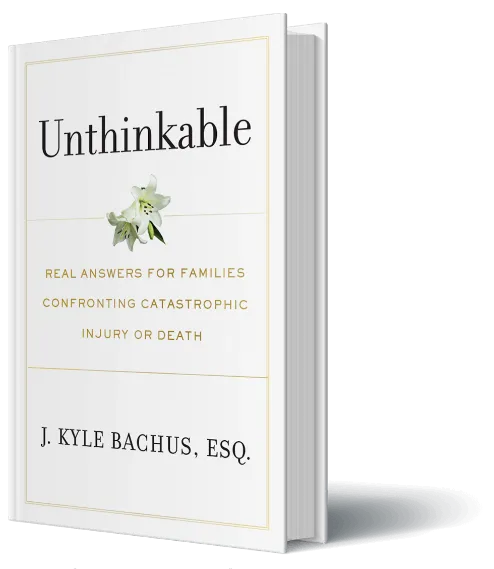
#1 Amazon Best Seller in the Legal Industry
Attorney Kyle Bachus knows first-hand how difficult it can be to suddenly lose a loved one in an accident. It’s also devastating when you or a family member suffers severe injuries that forever change your lives. Kyle wrote this book as a resource from his personal experience for families who have suffered a traumatic loss.
A Spanish edition of the book is also available, offering the same support and guidance to Spanish-speaking families.
You Deserve Fair Compensation
Don’t let the insurance companies intimidate you into accepting less than you deserve. We’re ready to fight for you.