
 Call Us!
Understanding Airbnb Accountability And Premises Liability
Many people rely on Airbnb when booking rooms for vacations and weekend getaways to Colorado. There are many picturesque areas throughout the state, and in winter, Colorado has some of the best ski resorts in the country. But what happens if you get insured while renting an Airbnb property? Who is responsible for your injuries if you slip and fall? Who should you file an injury claim against? Our Colorado Airbnb injury liability attorneys answer these questions to help you better understand Colorado’s premises liability laws.
WHAT OUR CLIENTS SAY
·4.7 out of 5 · 2,650+ Google reviews
“After my accident, I called Bachus and Schanker on the recommendation of a friend. They were always compassionate and understanding. My attorney explained the process to me. My calls and emails were promptly returned. We reached a substantial settlement.”
Susan Howell
Google review
“I am writing to express my sincere gratitude for the assistance I have received from Yvonne regarding my accident claim. She has kept me updated with any changes and has been incredibly professional.”
Jeramy King
Google review
“They handled my accident claim with care, kept me updated every step of the way, and made the entire process so much less stressful. Their communication was excellent, and I never felt left in the dark.”
Ajay
Google review
“Derek took my call and provided me with essential details of the processes involved with an accident injury case. After speaking with him, I felt a sense of genuine relief and did not feel confused about where to go from here.”
Sharon Bailey
Google review
NOTABLE SETTLEMENTS
$50M
Medical malpractice
$38M
Hospital negligence
$20M
Car crash
$15M
Wrongful death
Past results do not guarantee future outcomes.
What Is Premises Liability?
Premises liability is an area of law where property owners have a duty of care to maintain reasonably safe conditions at their properties at all times. These laws apply to homeowners, hotels, resorts, and short-term Airbnb rental properties.
Airbnb property owners should ensure their properties are:
- Free from any hazards
- Repaired once hazards are discovered
- Inspected regularly
- Kept safe with routine maintenance
Property owners should also warn guests of potential risks using appropriate signage and labels.
Airbnb Hosts: Your Legal Responsibilities In Colorado
In addition to providing a duty of care to your guests as an Airbnb host, you must follow specific Airbnb rules in Colorado and meet other legal responsibilities depending on the location of your rental property. For instance, in Denver, all Airbnb hosts must obtain a license for their short-term rental, have the appropriate insurance, and meet zoning requirements.
The property must have a fire extinguisher, carbon monoxide detector, and smoke detectors. The property owner must also have the appropriate liability, fire, and hazard insurance.
Colorado-Specific Regulations Or Laws Regarding Rental Properties
There are several Colorado-specific regulations and laws relating to short-term rental properties in the state:
- Taxes: Airbnb hosts are required to collect the appropriate state and local sales taxes and lodging taxes.
- Rental licensing: While the state currently does not require mandatory licensing, local municipalities may like Denver.
- Business licensing: All Airbnb hosts must apply for and obtain a business license.
- Insurance: It is recommended that all Airbnb hosts have the appropriate short-term rental liability insurance coverage and Airbnb’s Host Insurance.
- Waste and noise: Airbnb hosts need to provide guests with the appropriate information about waste disposal and noise laws and regulations.
The Role Of Airbnb’s Host Guarantee VS. Personal Insurance
Airbnb hosts have a few different liability insurance options. All hosts should have personal insurance and liability coverage for their rental homes. However, this personal homeowner’s insurance is often not sufficient.
Airbnb does offer Host Liability insurance, which provides up to $1 million in liability protection for guests staying at an Airbnb rental. This insurance is provided whenever there is an active rental at the property. It protects the guests, not the owner, and covers any injuries and property damages when the owner was negligent and failed to provide a duty of care.
Yet, Airbnb may attempt to shift responsibility back to the property owner. As such, property owners should also consider having landlord insurance, which will provide added protection for the owner to cover property damages and other losses.
Why Choose Our Airbnb Liability Law Firm?
Bachus & Schanker is led by top-rated premises liability attorneys recognized among the best in Colorado. With decades of experience and thousands of cases handled within Colorado and nationwide, our team brings a proven track record of results to every case. They have represented clients in cases involving Airbnb property negligence and premises liability violations across Colorado and nationwide.
At our firm, hands-on case management and personalized attention are central to how cases are handled. Attorneys remain directly involved throughout the process, with a focus on responsiveness, attention to detail, and clear communication at every stage of the case.
The benefits of working with our legal team include:
- Airbnb liability injury cases taken on a contingency fee basis – no legal fees unless we win your case
- Support of our victim advocates team
- Personalized attention from attorneys who understand Colorado premises liability law
- Proven track record of maximizing settlements and verdicts for clients
- Experience handling cases in Colorado and across the United States
When you need experienced legal representation to navigate complex short-term rental regulations, choose Bachus & Schanker, recognized as some of the best Airbnb liability lawyers in Colorado.






















Common Injuries At Airbnb Properties: Legal Risks For Hosts
The most common accidents at Airbnb properties are slips, trips, and falls. This can lead to broken bones, head injuries, or other complications. They can occur due to:
- Loose railings or steps on staircases
- Loose or damaged carpeting
- Defective, uneven, or damaged flooring
- Slippery floors, stairs, and sidewalks
- Uneven or damaged sidewalks and entryways
- Poor lighting
Electrical injuries and burns have also occurred. Additionally, more severe and catastrophic injuries could occur from ceiling, balcony, and deck collapses.
Legal Options For Airbnb Guests Injured In Colorado
Airbnb guests injured at Colorado rental properties have a few different legal options:
- File a claim against Airbnb: You must establish the owner was negligent and failed to provide a duty of care that resulted in your injuries and losses.
- File a claim against the owner: When Airbnb says they will not provide coverage, another option is to file against the owner’s landlord insurance or personal insurance.
Airbnb often disputes injury claims because they do not own the rental properties, like when you stay at a hotel or resort. They also have no control over owners and them performing inspections and keeping up with maintenance. So, it can be challenging to sue Airbnb without assistance from qualified Airbnb injury lawyers in Colorado.
Time Limit For Filing An Injury Claim In Colorado
The statute of limitations for filing an Airbnb injury liability claim in Colorado is two years from the date the accident took place. Initiating your injury claim as soon as possible is highly advisable to ensure you protect your legal rights. There can be exceptions in certain cases, like when a minor was the one injured.
The Role Of Insurance In Guest Injury Claims
Airbnb’s Host Liability insurance provides monetary compensation to guest injury claims that cover:
- Medical bills
- Lost wages
- Pain and suffering
- Property damage
- Loss of consortium or companionship
- Rehabilitation costs
- Mental health recovery costs
How Airbnb’s Insurance And Host Guarantee Work
Airbnb Host Guarantee is not insurance coverage but does provide some damage protections to landlords when guests damage their short-term rentals. Many people get this confused with Airbnb’s Host Liability insurance, which is specific coverage for injured guests, and the landlord is responsible for their injuries. Both products require filing a claim with Airbnb and providing sufficient evidence for your losses.
Contact Our Colorado Premises Liability Attorneys
If you are injured at a Colorado Airbnb and believe the owner was negligent, it is vital to speak with a qualified premises liability attorney as soon as possible. At Bachus & Schanker, we have the expertise and knowledge to assist you in filing your injury claim and ensuring you receive fair compensation for your injuries and losses. We understand all current state-wide and local short-term rental laws and regulations.
Airbnb Accountability FAQs
Understanding Your Rights And Responsibilities With Airbnb In Colorado
When renting an Airbnb property in Colorado, you have specific rights. When the owner fails to meet their duty of care, and you are injured, you can take legal action against the property owner and Airbnb with assistance from a qualified Airbnb injury attorney.
Legal Support Across Colorado and Nationwide
Serving Clients Nationwide
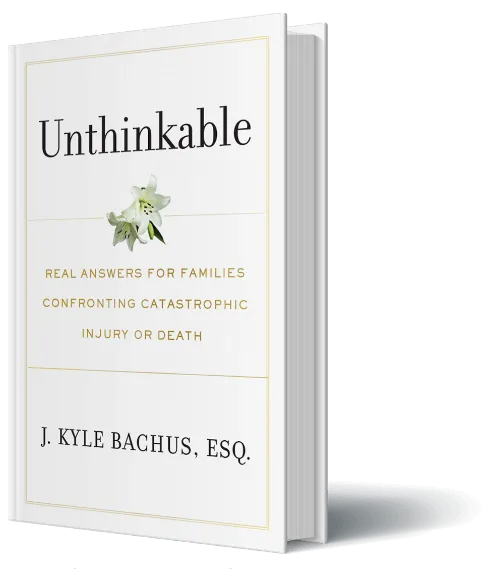
#1 Amazon Best Seller in the Legal Industry
Attorney Kyle Bachus knows first-hand how difficult it can be to suddenly lose a loved one in an accident. It’s also devastating when you or a family member suffers severe injuries that forever change your lives. Kyle wrote this book as a resource from his personal experience for families who have suffered a traumatic loss.
A Spanish edition of the book is also available, offering the same support and guidance to Spanish-speaking families.
You Deserve Fair Compensation
Don’t let the insurance companies intimidate you into accepting less than you deserve. We’re ready to fight for you.