
 Call Us!
Steps After A Pedestrian Or Bicycle Accident
Bicycle and pedestrian accidents can be life changing. In 2023, more than 7,000 pedestrians were killed by cars. Bicycle accidents have similar horrifying statistics, and the number of people injured each year is startling.
If you have been hurt in such an accident, whether biking, walking, or using the crosswalk, you may be entitled to justice from the courts. While we may never be able to fix broken limbs or bring back a loved one, we can fight for justice and the monetary compensation that can purchase the best medical care available.
If you’ve suffered one of these accidents, you may not know what to do next. But understanding what to do in the moments, hours, and days after an accident can mean the difference in getting the justice you deserve.
Below, you’ll find everything you need to know if you or someone you love has been involved in a pedestrian or bicycle accident. For further questions, contact Bachus & Schanker, your Colorado pedestrian injury law firm.
What Should I Do Immediately After A Pedestrian Or Bicycle Injury?
In the immediate moments after a pedestrian accident, first and foremost, you should think of safety. Immediately move to a safe place, if possible. If you are already relatively safe, try not to move at all to avoid injury to the spine.
Immediately call 911, or have someone nearby do so. Do not try to go to the hospital yourself. You may be in shock and feeling better than you actually are due to stress hormones in your body. This feeling is misleading, and you should always take an ambulance.
No matter what, you should always be checked by medical personnel, ideally at the hospital. If you don’t, there could be hidden injuries that worsen over time. Additionally, there may be little or no medical record of your injuries, an important part in any court case in pedestrian and bicycle accidents.
If you did not go to the hospital after your accident, get checked out by a doctor as soon as possible. The more time that elapses between the accident means that more doubt can creep in that your injuries were caused by the accident itself.
You should also make sure to save all your medical records and bills. Any good bicycle or pedestrian injury lawyer will make use of them later.
How Do I Document The Accident?
After you are safe and stable, you should document the accident and the accident scene as well as possible. Documentation is an important step in building a personal injury claim.
Good documentation includes:
- Photos and videos of the accident scene.
- Photos or videos of the bicycle or automobile involved.
- Photos of any skid marks or other auto indications.
- Witness statements (or contact information) from people who may have seen what happened.
- Medical records.
- Writing a daily journal describing your pain levels, treatment etc. in real time.
As soon as possible, you should also speak with an attorney. They can help with documentation, interfacing with insurance companies, and more. This evidence can help your pedestrian or bicycle injury lawyer build a strong case.
Do I Need To File A Police Report?
Yes, absolutely, you need to file a police report, ideally from the scene of the accident if you are able, or later if you are unable to at the moment of the accident.
In fact, in Colorado, it’s often the law. You must report all serious auto accidents, including those that involve a bicycle or a pedestrian to law enforcement as quickly as able.
The statute reads: “The driver of a vehicle involved in an accident resulting in injury to or death of any person or total damage to all property to the extent of one thousand dollars or more shall immediately, by the quickest means of communication, give notice of such accident to the nearest office of a duly authorized police authority.”
So, to summarize, if anyone is injured, you must report.
This report will serve as an official record of what happened and will likely be an important part of your case. Many insurance companies also require them for payment and documentation. If an officer responds to the scene, they will file one automatically, otherwise go to the nearest police station to file one as soon as you are well.
When speaking to the police, stick to the facts. Do not admit fault for the accident.
How Do I Report An Injury To My Insurance Company?
Even if the driver was at fault, it’s important to notify your insurance company as soon as you are able. However, you should not give recorded evidence or sign any statements without legal advice.
Unfortunately, your insurance company isn’t always looking out for your best interests. They are a business, a business that wants to turn a profit, and paying out insurance claims can cut into that profit.
Do not accept any settlement offers without the advice of an attorney. They may try to lowball you to protect this profit.
If you have retained an attorney, which is always a good idea, they can help with communicating with the insurance about any legal or settlement matters. Remember, your attorney is your advocate in the justice system. They work for you, and no one else.






















What Evidence Should I Keep For A Claim?
To build a successful case, it’s a good idea to keep:
- Medical records
- Police reports
- Photos and videos
- Witness statements or contact information
- Receipts for out-of-pocket expenses, even things like transportation to and from medical appointments
- Proof of lost wages
- Repair or replacement costs for bicycles or other articles
- The clothing you were wearing during the accident
More evidence is always better. Your attorney can help you understand what may be integral to your case, but save everything. It might mean the difference between receiving justice or not.
What Is The Statute Of Limitations For These Cases In Colorado?
The statute of limitations on personal injury cases in Colorado involving a motor vehicle is generally three years. However, there are some circumstances where this timeline may be shorter or longer. It is always in your best interest to speak with an attorney as soon as possible after the accident.
How Bachus & Schanker Can Help After An Injury
Navigating a personal injury claim in the Colorado courts can be overwhelming, especially after such a traumatic experience, but Bachus & Schanker is here to fight for you. We can help you gather the evidence you need for a strong case, we can help you file in a timely manner, and we can provide you with everything you need to get justice and win.
Our consultations are always absolutely free, we charge no upfront fees, and we only get paid if you do. We have helped thousands of people just like you get the justice they deserve. Contact our team of experienced attorneys in Colorado today.
Legal Support Across Colorado and Nationwide
Serving Clients Nationwide
Related Bicycle Accident Resources




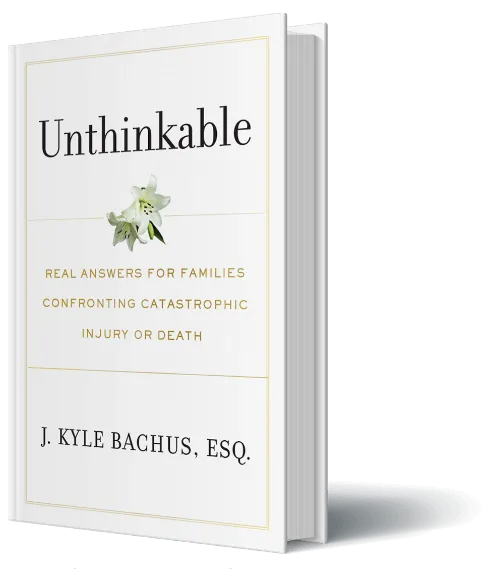
#1 Amazon Best Seller in the Legal Industry
Attorney Kyle Bachus knows first-hand how difficult it can be to suddenly lose a loved one in an accident. It’s also devastating when you or a family member suffers severe injuries that forever change your lives. Kyle wrote this book as a resource from his personal experience for families who have suffered a traumatic loss.
A Spanish edition of the book is also available, offering the same support and guidance to Spanish-speaking families.
You Deserve Fair Compensation
Don’t let the insurance companies intimidate you into accepting less than you deserve. We’re ready to fight for you.