
 Call Us!
How To File A Catastrophic Injury Lawsuit In Colorado
A catastrophic injury is a severe, often permanent, physical or mental impairment that results in long-term or life-altering consequences, including medical care, disability, or loss of income. It seriously limits the activities of normal daily life.
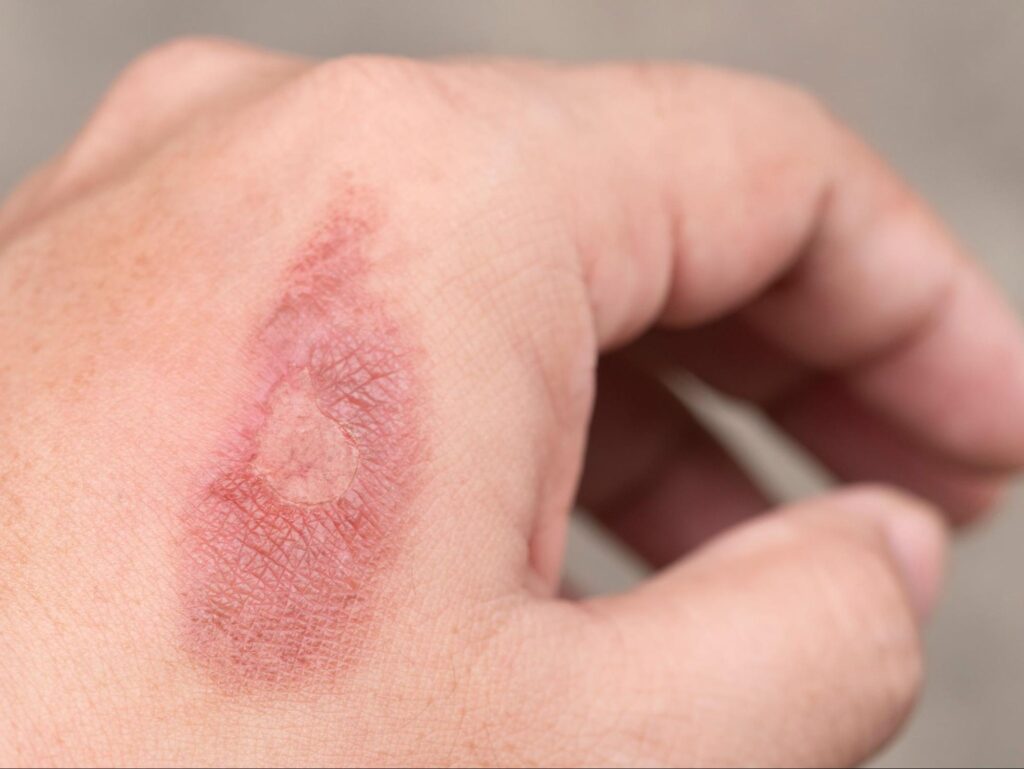
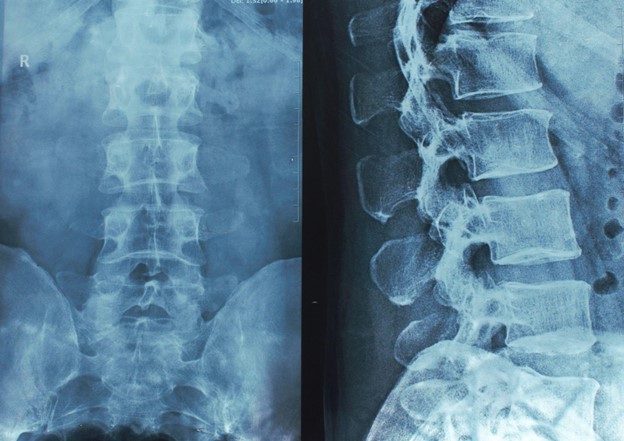
Examples are traumatic brain injuries (TBIs), spinal cord injuries (complete and incomplete paralysis), severe burn injuries, significant injuries to internal organs, severe birth injuries, permanent neurological damage, total or significant loss of vision/hearing, and chronic post-traumatic stress disorder (PTSD).
A catastrophic injury can be caused by a motor vehicle crash, a pedestrian/bicycle accident, a workplace accident, medical negligence, a dangerous condition on a property, a defective product, or an act of violence.
If you suffer this type of injury because of someone else’s negligence, you can file a lawsuit against them. Bachus & Schanker helps injured victims in Colorado receive what they deserve.
Basic Steps To File A Catastrophic Injury Lawsuit
When you sustain a catastrophic injury due to someone else’s negligence, you should:
- Seek immediate medical care to receive treatment and document your injuries. Call 911 to receive emergency care at the scene and visit a doctor immediately after leaving the scene.
- Gather evidence by taking photos and videos of the scene and collecting witness contact information, police reports, surveillance footage, and incident reports. This will help establish how the accident occurred and the liable party.
- Work with a lawyer to investigate the case and initiate negotiations with the at-fault party’s insurance company. Your lawyer will send a demand letter to the insurer informing them of the incident, the injuries you suffered, and the compensation you are seeking. The insurer will respond with an offer or deny liability. An offer leads to negotiations until fair compensation is secured. If a fair settlement can’t be reached or the insurer denies liability, your lawyer can take your case to court.
The Difference Between An Insurance Claim And A Lawsuit
An insurance claim involves private negotiations with insurance adjusters to resolve a case. It’s an informal process in which your attorney and the insurer investigate the case to establish liability and the value of the claim.
On the other hand, a lawsuit is a public, formal process where your lawyer files a proceeding with the court, and a judge or jury decides the outcome.
Many personal injury cases start with an insurance claim and later move to court if a settlement can’t be reached. Nonetheless, you can file a claim and a catastrophic injury lawsuit concurrently. A lawsuit can run alongside out-of-court negotiations.
Since cases involving catastrophic injuries are high-value and often complex, it can be beneficial to involve the court earlier. This ensures you secure and preserve evidence, and that the insurer adheres strictly to procedural deadlines.
Additionally, insurance companies often aggressively fight high-value cases. Filing a lawsuit alongside a claim can significantly protect you from tactics that insurance companies typically use, which can speed up the negotiation process.
Moreover, since catastrophic injury cases are complex, they can take time to investigate. For starters, attorneys usually wait for an injured victim to reach the maximum medical improvement (MMI) to understand the extent of damages suffered. Insurance adjusters may also take time to complete investigations. A lawsuit ensures your case does not miss the statute of limitations.
What Evidence And Documentation Are Needed?
Catastrophic injury lawsuits require evidence that proves liability and long-term damages. Examples of such evidence include detailed medical records, accident reports, witness statements, expert testimonies, financial records, and personal documentation of daily struggles and recovery progress.
These documents provide more details about the accident and its consequences. For instance, detailed medical records show you sustained a severe injury and link it to the accident, testimonies from expert witnesses establish liability and the severity of your injury, financial records prove economic loss, and so on.






















What Happens After A Lawsuit Is Filed?
After you file a catastrophic injury lawsuit in Colorado, these steps follow:
- The defendant is served with the complaint. They will generally have 21 days to respond.
- Upon responding, the case enters the discovery phase. Both sides exchange evidence, take depositions, and submit interrogatories to evaluate the strength of each other’s case.
- The court can require alternative dispute resolution after discovery, typically mediation. Parties can settle the case at this stage. However, if they agree that mediation will not be productive or if mediation fails, the case proceeds to trial.
- Either side may file motions asking the court to exclude certain evidence or for a ruling on specific issues. Settlement negotiations continue.
- If a settlement is not reached, lawyers prepare for trial. This stage includes the final pre-trial conference and then proceeding to a bench or jury trial.
- The judge or jury gives a verdict, which can lead to an appeal from the losing party.
What Compensation May Be Available In Catastrophic Injury Cases?
- Economic damages: Medical expenses (past and future), lost wages and earning capacity, and property damage.
- Non-economic damages: Pain and suffering, mental anguish, loss of enjoyment of life, and loss of consortium.
- Exemplary damages: If you sustain a catastrophic injury in circumstances that involve fraud, malice, or willful and wanton conduct, you can seek exemplary (punitive) damages.
How Long May The Process Take?
A catastrophic injury lawsuit can take several months to a few years to resolve. This period includes attorneys waiting for an injured victim to reach MMI, the pre-trial stages, and the trial. Gathering solid evidence that establishes liability and shows the severity of injuries is crucial in avoiding delays.
When Should Someone Contact A Catastrophic Injury Lawyer?
It’s critical to start working with a lawyer as soon as possible. Ideally, contact an attorney immediately after receiving emergency medical care.
At Bachus & Schanker, we are committed to helping injured victims receive maximum compensation.
FAQ
Legal Support Across Colorado and Nationwide
Serving Clients Nationwide
Related Catastrophic Injury Resources






#1 Amazon Best Seller in the Legal Industry
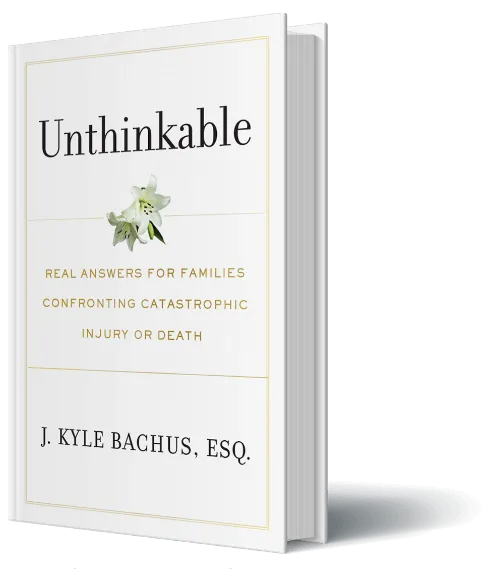
Attorney Kyle Bachus knows first-hand how difficult it can be to suddenly lose a loved one in an accident. It’s also devastating when you or a family member suffers severe injuries that forever change your lives. Kyle wrote this book as a resource from his personal experience for families who have suffered a traumatic loss.
A Spanish edition of the book is also available, offering the same support and guidance to Spanish-speaking families.
You Deserve Fair Compensation
Don’t let the insurance companies intimidate you into accepting less than you deserve. We’re ready to fight for you.