
 Call Us!
Colorado Pedestrian Laws
Pedestrian accidents can change lives in seconds. A simple walk across the street or through a parking lot can result in catastrophic injuries when drivers fail to pay attention or follow traffic laws.
At Bachus & Schanker, we understand the emotional and financial toll these accidents can create. Our firm has helped injury victims across Colorado pursue compensation and accountability after serious accidents.
Founding attorney Kyle Bachus has also personally experienced the devastating effects of losing a loved one because of negligence in a pedestrian accident. His experiences give our team a deeper grasp of what many families face. Our pedestrian accident guide provides useful tips and insights about Colorado pedestrian laws so you can better understand your rights and responsibilities while walking and behind the wheel.
Colorado Pedestrian Laws Overview
Colorado law outlines specific responsibilities for both drivers and pedestrians. These rules are designed to promote pedestrian safety and reduce accidents involving people crossing the street or walking near traffic.
Under Colorado law:
- Drivers must exercise care to avoid hitting pedestrians.
- Pedestrians generally have the right-of-way in crosswalks.
- Pedestrians also have a responsibility to obey traffic signals and avoid suddenly entering traffic.
If you are involved in a pedestrian accident, the clock is ticking. According to CRS 13-80-102, you have up to three years to initiate a personal injury claim for incidents involving motor vehicle crashes.
Crosswalk Laws in Colorado
Crosswalk laws are some of the most important pedestrian regulations because many accidents happen at intersections.
Colorado law generally requires drivers to yield to pedestrians, regardless of whether a crosswalk is marked or not. Drivers must also stop when a person is within the same lane or approaching closely from the opposite half of the roadway. Drivers also need to exercise additional caution near schools and areas with lots of foot traffic.
Pedestrians are responsible for obeying traffic signals and avoiding stepping suddenly into traffic. If you are on foot near or in a roadway, use reasonable caution to cross safely.
Sidewalk Laws
Pedestrians should use sidewalks when they are available. If no sidewalk is available, pedestrians should walk on the shoulder facing traffic. Drivers exiting driveways or alleys must yield to pedestrians on sidewalks.
Is Jaywalking Illegal in Colorado?
In general, it is illegal to cross the street outside of designated crosswalks between adjacent intersections. If you need to cross the street and are not near an intersection, you should do so at a perpendicular (90-degree) angle. You are also required to yield to vehicles.
Remember, drivers probably aren’t expecting someone to step out into traffic away from a crosswalk. Look both ways and cross directly from one side to the other.
A driver may still be liable for injuring a pedestrian who was jaywalking, if the person behind the wheel was distracted, speeding, or impaired.
Right-Of-Way Rules
According to the Colorado DMV, pedestrians have the right-of-way at all crosswalks and intersections, even if there are no marked or painted lines.
Drivers must:
- Yield at crosswalks
- Follow traffic signals
- Exercise caution near pedestrians
- Avoid passing vehicles stopped at crosswalks
Pedestrians are required to obey the “walk” and “don’t walk” signals. They should also avoid crossing highways where prohibited and yield to vehicles when crossing in areas where there are no sidewalks.
Liability in Pedestrian Accidents
So, who’s at fault when a vehicle strikes a person? Either party could be at fault, or both parties could have contributed to the accident. Investigators need to examine several variables, including each party’s actions, traffic conditions, and where the accident occurred.
Situations Where Drivers Are at Fault
The driver may be at fault if the accident involved:
- Distracted driving
- Texting while driving
- Speeding
- Failure to yield
- Drunk or impaired driving
- Running stop signs or red lights
- Making unsafe or illegal turns
Colorado puts the burden on drivers to be vigilant and look out for people who are walking or cycling near roadways.
Situations Where Pedestrians May Be at Fault
Pedestrians can sometimes share responsibility for an accident.
Here are a few examples:
- Crossing against traffic signals
- Walking into traffic without warning
- Crossing highways illegally
Pedestrian accident lawyers can provide an assessment of these types of cases and help injured persons better understand their options.






















How Evidence Determines Fault
Strong evidence can make all the difference during a pedestrian accident claim. Helpful sources of information include video footage, photos from the scene, medical records, and witness accounts.
Are you also wondering, “How long does a pedestrian accident settlement take?” That depends on the circumstances of the case and the strength of the evidence.
Comparative Negligence in Colorado
CRS 13-21-111 allows plaintiffs to recover compensation in cases where they contributed to their injuries, as long as their level of fault is less than that of the other party. If a person contributed to the accident and recovers compensation, their recovery will be reduced based on their percentage of fault.
Insurance Challenges in Pedestrian Claims
Pedestrian accident claims can become complicated quickly. An insurance company may dispute who is at fault or offer you a lowball settlement in hopes of saving money. It’s vital to have experienced representation on your side when going up against insurance companies.
Common Misconceptions About Pedestrian Rights
There are plenty of myths about pedestrian laws and the claims following these types of accidents.
These myths include:
- Pedestrians always have the right-of-way.
- Jaywalking prevents you from receiving compensation.
- Insurance companies want to be fair.
The reality is that you need to protect your interests and find a lawyer who will advocate for your rights.
What To Do After a Pedestrian Accident
If you are involved in a pedestrian accident, you should first call 911 to seek medical treatment for any injuries and report the accident. If able, take photos and gather witness information at the scene.
You should also avoid discussing fault with anyone at the scene and talk to a lawyer as soon as possible.
Bachus & Schanker helps pedestrian accident victims by providing timely and compassionate representation. Our lawyers work to ease the burden you face by standing up for your rights.
Legal Support Across Colorado and Nationwide
Serving Clients Nationwide
Related Car Accident Resources





















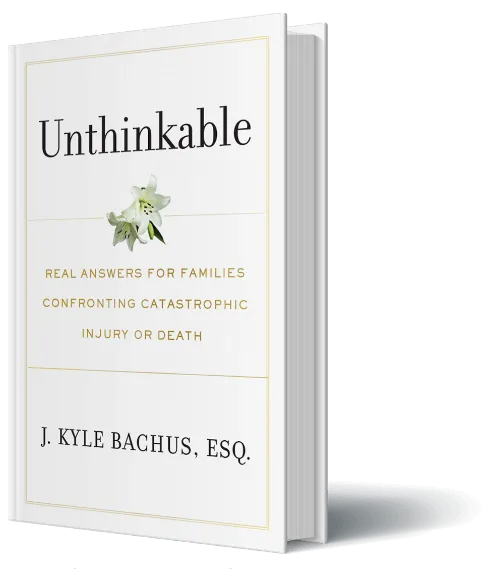
#1 Amazon Best Seller in the Legal Industry
Attorney Kyle Bachus knows first-hand how difficult it can be to suddenly lose a loved one in an accident. It’s also devastating when you or a family member suffers severe injuries that forever change your lives. Kyle wrote this book as a resource from his personal experience for families who have suffered a traumatic loss.
A Spanish edition of the book is also available, offering the same support and guidance to Spanish-speaking families.
You Deserve Fair Compensation
Don’t let the insurance companies intimidate you into accepting less than you deserve. We’re ready to fight for you.