Call Us!
Are Wrongful Death Settlements Part of an Estate?
You probably know that if you’ve been hurt by a negligent person, you can file a personal injury lawsuit. Likewise, if you’ve lost a loved one to another’s negligence, you may be able to file a wrongful death lawsuit.
However, not many people know what happens after a wrongful death suit. Do the recovered funds go to the deceased’s estate? Or to the surviving family members?
At Bachus & Schanker, we’re dedicated to keeping families informed and securing justice after they have lost a loved one due to someone else’s negligence. Here’s a closer look at what happens to wrongful death settlements.
Understanding Wrongful Death Claims vs. Survival Actions
In Colorado, wrongful death claims aren’t the only type of legal action you can take against someone who has negligently killed a loved one. There is another option called a “survival action.”

These two types of legal claims are related, but they are not entirely the same. Here is an overview of how they differ:
- Wrongful death claims: Compensate surviving family members for their losses
- Survival actions: Compensate the decedent’s estate for damages the decedent could have recovered if they had lived
Specifically, wrongful death claims and survival actions differ in who can file them, what kind of losses they can recover, and where the money ends up.
Wrongful Death Claims
Certain surviving family members, such as spouses, children, and other heirs, can file wrongful death claims. If they win a settlement or award, the money doesn’t go to the estate of the deceased. Instead, it goes to compensate them for their direct losses, which may include:
- Burial and funeral expenses
- Emotional distress
- Lost financial support
- Loss of companionship
To win a wrongful death lawsuit, you must be able to prove the value of your losses. An experienced wrongful death attorney can help.
Survival Actions
Only the personal representative of a deceased person’s estate can file a survival action. If the action is successful, the money will go directly to the estate.
Survival actions are meant to compensate the deceased person for losses they suffered between their injury and their death. These are a few examples:
- Pain and suffering
- Cost of medical care
- Lost wages (for work missed between the incident and the time of death)
Because settlements from survival actions are paid directly to the estate, they are subject to claims from creditors. For example, the funds may be used to pay outstanding medical bills or credit card debts.
If any funds remain after paying these estate claims, they will be distributed to heirs, along with the rest of the deceased’s assets.
Who Receives Wrongful Death Damages Under Colorado Law?
Colorado state law limits who may benefit from a wrongful death lawsuit. The law is also somewhat unique in that it restricts who may file depending on the length of time since the person’s death.
In the first year after the death, the surviving spouse may file. If the deceased has surviving children, they may also file but only with the spouse’s permission. If the deceased person was not married, their children or designated beneficiary may file a wrongful death lawsuit.
In the second year after the decedent’s death, more people have an opportunity to bring a wrongful death lawsuit. Their surviving children or designated beneficiary can file without written permission from the surviving spouse.
What happens if the decedent was unmarried and left behind no children? In this instance (assuming the decedent had no designated beneficiary), their parents may file.
In Colorado, the statute of limitations on wrongful death lawsuits is two years. This means that in the third year after the decedent’s death, no one has the right to file a lawsuit.
What Types of Damages Are Awarded in Wrongful Death Cases?
In a wrongful death lawsuit, you may be awarded compensation for your losses. This compensation is known as “damages,” and there are two main categories.
Economic Damages
“Economic damages” refers to compensation for monetary losses. If you relied on the deceased’s income for support, or paid out of pocket for their funeral or burial expenses, your economic damages settlement could compensate you for these losses.
Non-Economic Damages
It’s impossible to put a dollar sign on the loss of a family member. However, the court will attempt to compensate you for your pain through non-economic damages. These damages may include emotional distress and loss of companionship.
Why Doesn’t Wrongful Death Compensation Go Into the Estate?
Wrongful death compensation doesn’t go to the deceased’s estate because it isn’t meant to cover any lingering debt of the deceased individual. Instead, it’s designed to compensate surviving family members for the financial and emotional losses that come with losing a loved one.
When Is Compensation Part of the Estate?
If the personal representative for the deceased successfully pursues a survival action, any recovered funds go to the deceased’s estate. A survival action is similar to a personal injury lawsuit in that it’s meant to compensate the injured person (or in this case, their estate) directly.
FAQ
Can Creditors Access the Funds?
After a person dies, each of their creditors may file an estate claim in an effort to recover the money they’re owed. Because wrongful death settlements compensate surviving family members (and are therefore not part of the estate), they are generally safe from these creditors.
However, what happens when a claim is filed against an estate after a survival action? Since compensation from a survival action is paid directly to the deceased’s estate, creditors can access these funds to recover any outstanding debts.
Are Wrongful Death Settlements Taxable?
Generally, no. The IRS doesn’t typically treat settlements and judgments as taxable income. However, if a wrongful death settlement includes compensation for lost wages, that portion may be taxable.
What If There’s No Will?
Estate planning without a will can complicate things, but it doesn’t affect the surviving family members’ ability to file a wrongful death claim. For survival actions, the court must approve a personal representative to file the action on the deceased’s behalf.
Can You File a Wrongful Death Claim Without a Lawyer?
It’s technically possible, but given the sheer complexity of the process, it’s better to work with an experienced attorney.
Let Us Help Seek Justice for Your Family
At Bachus & Schanker, we know that no amount of money can bring your loved one back. However, a wrongful death lawsuit can be a way to hold negligent people accountable, and provide your family with the financial support needed to heal.
Our team includes over 100 dedicated professionals across Colorado, along with our dedicated Victim’s Advocates support team, and each of us fights tirelessly for justice for our clients.
Visit Our Office Locations Across Colorado
Serving Clients Nationwide
Related Wrongful Death Resources














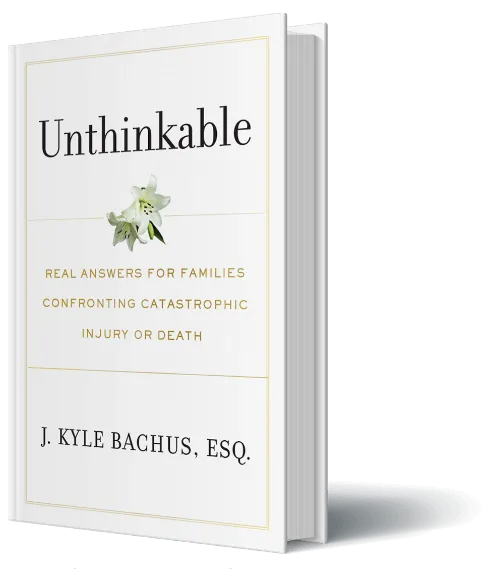
#1 Amazon Best Seller in the Legal Industry
Attorney Kyle Bachus knows first-hand how difficult it can be to suddenly lose a loved one in an accident. It’s also devastating when you or a family member suffers severe injuries that forever change your lives. Kyle wrote this book as a resource from his personal experience for families who have suffered a traumatic loss.
A Spanish edition of the book is also available, offering the same support and guidance to Spanish-speaking families.
You Deserve Fair Compensation
Don’t let the insurance companies intimidate you into accepting less than you deserve. We’re ready to fight for you.