Call Us!
How To Prove Emotional Distress in Wrongful Death Medical Cases
Losing a loved one can be life-altering. Your loved one was an essential part of your life, and losing them can be painful and traumatic. Their passing can affect you in ways you don’t anticipate. Surviving family members often struggle with emotional trauma, while handling practical matters, such as organizing a funeral, paying unexpected expenses, and canceling their loved one’s subscriptions and appointments.
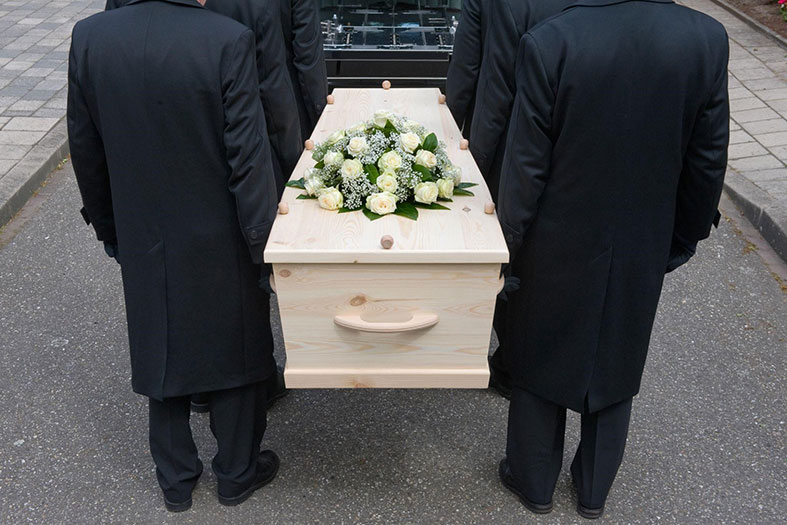
Losing a loved one to a wrongful death is particularly traumatic. Every year, individuals die because of the negligence of medical professionals and caregivers. When another person’s negligence or inadequate care causes a person’s death, surviving family members may be overwhelmed with emotional distress.
If your loved one died due to a medical professional or caregiver’s negligence or inadequate care, you may wonder if you can sue for trauma. A wrongful death lawyer can verify you have grounds to file a wrongful death case, how to prove emotional distress claims, and what types of damages you can seek.
What Is a Wrongful Death?
A wrongful death is a death that occurs prematurely because of someone’s actions or inaction. Wrongful death medical cases are wrongful deaths occurring under one of the following circumstances:
- An older adult receives incorrect or inadequate care from caregivers at a nursing home or assisted living facility.
- An injured or ill person receives incorrect or inadequate care from paramedics, nurses, or doctors.
Wrongful death cases include the wrongful deaths of children and older adults. It doesn’t matter if your loved one was ill for some time or elderly; if someone’s negligence caused their death, you may have grounds to file a wrongful death lawsuit.

Proving Wrongful Death
To prove someone died a wrongful death, you must establish that another party either had a responsibility to take specific actions to ensure the decedent’s wellbeing, or that they had a responsibility not to take specific actions that would harm the person.
For example, when a person is hospitalized, you expect hospital staff to monitor them. If a person dies because they were able to access an unsafe location where they should not have been permitted and were missing for several hours, the decedent’s family members may have grounds for a claim based on negligence stemming from inaction if they can prove that a lack of patient monitoring contributed to their loved one’s death.
It’s also reasonable to expect medical staff to provide appropriate care. Suppose a nurse gives the wrong medication to your loved one. Your loved one dies. There may be grounds for a wrongful death lawsuit because inappropriate actions caused the decedent’s death.
Wrongful Death Claims in Colorado: Who Can File?
Colorado allows immediate family members, such as the decedent’s spouse or children, to file wrongful death claims. However, if the decedent had a beneficiary named in their will, the beneficiary may be able to file a claim. The decedent’s parents can file a claim if the decedent was a minor or an adult without a spouse or dependents.
Statute of Limitations in Colorado: How Long You Have To File a Wrongful Death Claim
The wrongful death statute of limitations in Colorado depends on the cause of death. The statute for those filing for a wrongful death caused by medical negligence or inadequate care is two years.
Two years might seem like a long time, but often, the surviving family members spend months dealing with their grief and the practical tasks related to their loved one’s passing. It’s also easier to investigate and gather evidence as soon after the decedent’s passing as possible to ensure evidence isn’t overlooked, lost, or destroyed. Ideally, you should consult a wrongful death attorney right after your loved one’s passing.
Types of Damages Claimants Can Seek for a Wrongful Death in Colorado
Qualifying surviving family members or beneficiaries may be able to seek economic (monetary) and non-economic (non-monetary) damages.
Economic damages have a price tag. They are costs incurred or losses anticipated because of the decedent’s death, and can include costs for the following:
- Burial
- Childcare
- Funeral
- Housecleaning
- House maintenance
- Lost income
- Medical bills
- Property damage
Colorado’s wrongful death statutes also allow claimants to seek non-economic damages. These damages provide compensation for the personal and emotional impact of the decedent’s passing on the person filing the claim. Grounds for these damages include the following:
- Anxiety
- Depression
- Emotional trauma
- Grief
- Loss of consortium
- Loss of quality of life
- Pain and suffering
- Post-traumatic stress disorder
In some cases, claimants may also seek punitive damages from a wrongful death suit.
Emotional Distress Due to a Wrongful Death
Economic damages are straightforward because they stem from costs you can calculate. It can be harder for people to identify and calculate emotional distress. Understanding the amount you can seek for emotional distress begins with understanding what emotional distress is.
Emotional distress refers to the negative impact the decedent’s passing has on you. Suppose your spouse dies a wrongful death. You’ve lost your closest companion and life partner. Claiming damages for loss of consortium recognizes the intimacy and companionship you shared with the decedent that you no longer experience because of their passing.
You may have grounds to seek compensation for the psychological impact and suffering you experience from the decedent’s passing. Reasons for compensation include grief and trauma.
The decedent’s age or health doesn’t lessen the emotional toll of a wrongful death. Some defendants may try to argue that surviving family members shouldn’t struggle as much because the death of an older or ill person was anticipated; however, surviving family members have a right to seek compensation for how their loved one’s passing affects them, and there’s no justification for negligence or inadequate care causing someone to die prematurely.
How To Prove Emotional Distress
Receiving emotional damages in a wrongful death claim involves proving emotional distress. Proving the claimant has suffered emotional distress could involve the following:
- Expert witness testimony from the claimant’s therapist
- Expert witness testimony from mental health professionals, such as psychologists
- Journal entries
- Testimony from the claimant’s family members, friends, and co-workers
- Treatment records from the claimant’s therapist
Claimants can also provide impact statements about the way their loved one’s death has affected them.
How a Wrongful Death Attorney Can Help
Wrongful death attorneys are well-versed in relevant case law and can effectively manage the logistics of investigating claims against medical professionals, medical facilities, and caregivers. A wrongful death or nursing home abuse attorney in Colorado can gather the evidence needed to support your claim, help you calculate damages, and negotiate a settlement with the at-fault party.
Discuss Your Wrongful Death Case With Bachus & Schanker Today
Bachus & Schanker have personal experience with the trauma of a wrongful death. We understand how difficult it is to process your loss, and we provide expert legal and practical support to ensure you get justice for your loss. Our Victim’s Advocates help investigate and gather evidence. They also provide information about resources you can use while we resolve your case.
We will consider all grounds for claiming emotional distress and gather the evidence needed to support your claim. Our legal team and Victim’s Advocates will guide you through the legal process, while fighting for you to receive justice for your loved one’s wrongful death.
Visit Our Office Locations Across Colorado
Serving Clients Nationwide
Related Wrongful Death Resources














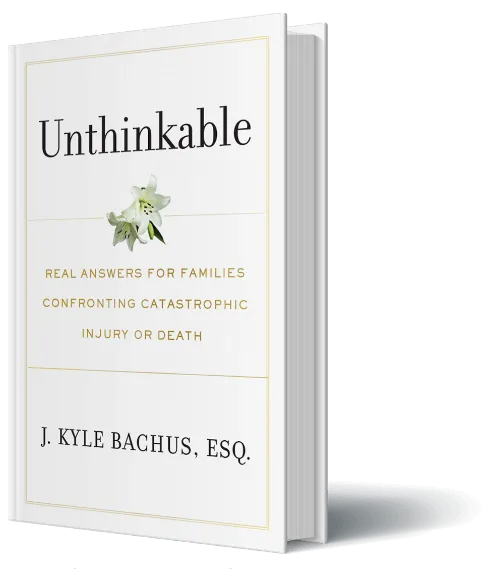
#1 Amazon Best Seller in the Legal Industry
Attorney Kyle Bachus knows first-hand how difficult it can be to suddenly lose a loved one in an accident. It’s also devastating when you or a family member suffers severe injuries that forever change your lives. Kyle wrote this book as a resource from his personal experience for families who have suffered a traumatic loss.
A Spanish edition of the book is also available, offering the same support and guidance to Spanish-speaking families.
You Deserve Fair Compensation
Don’t let the insurance companies intimidate you into accepting less than you deserve. We’re ready to fight for you.