
 Call Us!
Are Personal Injury Settlements Taxable?
When you sustain physical or psychological harm due to someone else’s negligence, you can claim a personal injury settlement from the at-fault party. For example, when you are injured in a car, slip-and-fall, or workplace accident, or when a healthcare provider fails to meet the standard of care, causing injury.
The purpose of this compensation is to make you “whole” again financially, physically, and emotionally, restoring you to the financial position you were in before the accident.
A personal injury settlement can be paid as a lump sum (the entire compensation paid at once) or as a structured settlement (paid over time).
However, one of the common questions among injured victims is, “Are personal injury lawsuit settlements taxable?”
If you have received or expect to receive compensation, it’s crucial to understand tax implications. You’ll also want to avoid mistakes that can potentially lead to tax liabilities. Facing audits and penalties from the Internal Revenue Service (IRS) and the Colorado Department of Revenue (CDOR) when you are trying to get back on your feet can be frustrating. The good news is that we can help.
Non-Taxable Portions
Several portions of a personal injury settlement are tax-free under federal and state laws.
These include:
Medical Expenses and Bills
When an accident results in a physical injury or an illness, you will need medical care. This will lead to expenses, such as ambulance rides, emergency room visits, hospital stays, treatment, medications, rehabilitation, and physical therapy. Compensation for these costs is non-taxable.
However, if you had deducted medical expenses in the previous year to lower your taxable income, that portion of the settlement will be taxable when you are compensated. For example, if you deducted $10,000, you must report the $10,000 portion of your settlement that covers the previously deducted medical expenses to the IRS.
Emotional Distress Directly Related to Physical Injury
Compensation for emotional distress directly stemming from a physical injury can be excluded from income tax. For instance, damages for pain and suffering, mental anguish, anxiety, loss of enjoyment of life, or post-traumatic stress disorder (PTSD).
Property Damage
Payments for property damage in a personal injury case, such as payments for car repairs and personal items, are not taxable. These payments are considered reimbursement for a loss.
Potentially Taxable Portions
The IRS and the CDOR require claimants to report certain portions of their settlement on their tax return, as they are taxable.
These include:
Punitive Damages
Punitive (exemplary) damages can be awarded in a personal injury case to punish a defendant for their negligence and deter others from engaging in similar behavior. If an injured victim proves that their injury was caused by circumstances of fraud, malice, or willful and wanton behavior, they can claim punitive damages.
This type of compensation is treated as taxable income because it’s not designed to compensate an injured victim.
Lost Wages
When an injury causes you to miss work or affects your future earning potential, you can recover lost wages and/or lost earning capacity. Since this compensation is a substitute for taxable income that you would have otherwise received, it’s taxable.
Post-Judgment Interest
From the moment the court enters judgment, a personal injury settlement accrues a daily interest until it’s paid in full. Generally, the legal requirement is 9% annually. This interest is designed to compensate plaintiffs for the delay in receiving payment and to encourage defendants to make prompt payments.
Post-judgment interest is considered taxable income, even if the underlying compensation is tax-free.
Emotional Distress Unrelated to Physical Injury
Any damages recovered for emotional distress not related to physical injury are taxable. For example, when you claim compensation for emotional distress caused by witnessing a loved one involved in an accident, or when your case involves emotional distress related to a wrongful termination.






















Reporting to the IRS
The taxable portions of a personal injury settlement are typically reported as “Other Income” on Schedule 1 (Form 1040). Ensure you report all taxable portions of your settlement and attach relevant documentation.
Additionally, claimants often receive a Form 1099-MISC from the at-fault party’s insurance company detailing taxable components of a settlement. If you receive this form, you must report it to the IRS, even if you believe the compensation is not taxable. Then, you can report an offsetting adjustment on your tax return by entering a negative adjustment in the “Other Income” section of Form 1040 Line 8z to show the settlement is not taxable.
Not offsetting the income reported on the Form 1099-MISC can be a problem. The IRS computers assume the amount on the form is taxable income. Thus, when you don’t report an amount that satisfies IRS matching systems, you may receive a “missing income” notice. This can result in potential penalties, interest, and audits.
After filing, it’s important to preserve documentation, including the settlement agreement, medical receipts, legal expenses, notes from doctors/therapists, and a journal detailing daily pain and suffering. Moreover, consider working with a tax professional to confirm all details before reporting.
How a Lawyer Can Help
A personal injury lawyer can significantly minimize tax exposure by structuring your settlement to separate taxable and non-taxable damages. They can draft a settlement agreement that clearly defines portions of the compensation that are taxable, such as lost wages and punitive damages, and non-taxable, such as medical expenses and property damages. If you deducted medical expenses in the previous year, this can be included in your agreement.
Furthermore, your attorney can negotiate settlement language for maximum protection. Language matters in personal injury cases. The IRS and the CDOR consider the language used in an agreement when determining which portions of a settlement are taxable.
Failing to explicitly show that a payment is on account of a personal physical injury or physical sickness may result in an entire settlement being taxed. Additionally, when the language in an agreement does not clarify the purpose of the compensation, a settlement may not meet the tax-exempt status. Your lawyer will make sure your agreement clearly informs that the payment is to compensate you for an injury sustained because of someone else’s negligence.
Another way a lawyer can minimize tax exposure is by coordinating with tax advisors. Attorneys usually work with tax professionals early in the negotiation process to identify tax-saving opportunities.
These two professionals also collaborate when structuring a settlement to determine whether a lump-sum payment or a structured payment will be more advantageous to a client. And after a lawyer drafts the settlement agreement, tax advisors can review it to confirm the language is less likely to be challenged by the IRS.
Tax implications vary by case, depending on the nature of the damages awarded. A case that results in a plaintiff receiving punitive damages is handled differently from one where it was not awarded. There is also a difference between cases of an injured victim who itemized deductions in a previous tax year for medical expenses and one who didn’t.
Therefore, it’s vital to learn more about your case. At Bachus & Schanker, we offer personalized legal guidance.
Legal Support Across Colorado and Nationwide
Serving Clients Nationwide
Related Personal Injury Resources




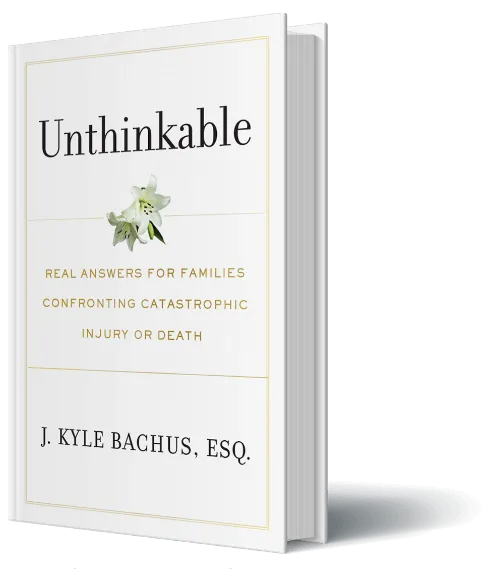
#1 Amazon Best Seller in the Legal Industry
Attorney Kyle Bachus knows first-hand how difficult it can be to suddenly lose a loved one in an accident. It’s also devastating when you or a family member suffers severe injuries that forever change your lives. Kyle wrote this book as a resource from his personal experience for families who have suffered a traumatic loss.
A Spanish edition of the book is also available, offering the same support and guidance to Spanish-speaking families.
You Deserve Fair Compensation
Don’t let the insurance companies intimidate you into accepting less than you deserve. We’re ready to fight for you.