
 Call Us!
What To Do in a Hit-And-Run Accident in Colorado
You may be surprised to learn that most hit-and-run accidents are solved. If you’re the victim of a hit and run, there are things that you can do to get the compensation that you deserve and hold the offender accountable for their actions. However, you need to take action. Don’t be a victim twice. Our Denver car accident lawyers will tell you what to do after a hit and run.
WHAT OUR CLIENTS SAY
·4.7 out of 5 · 2,650+ Google reviews
“I was recommended to Bachus and Schanker due to being involved in a recent accident. They have been so helpful, professional, and I absolutely would recommend them.”
Heather K.
Google review
“I called them the day of my accident. The whole process I was informed of each step along the way. My attorney always kept in contact and was very attentive.”
Gunnar B.
Google review
“At the time of my accident I didn’t know what route to go. They were there for me until the end, very professional and always handling things in a timely matter.”
Geneva J.
Google review
“They handled my accident claim with care, kept me updated every step of the way, and made the entire process so much less stressful.”
Ajay
Google review
“The staff always explained everything very clearly and I felt that they cared about my needs and what had happened to me in my car accident.”
Stephen C.
Google review
NOTABLE SETTLEMENTS
$20M
Car crash
$15M
Car crash
$11.5M
Auto accident
$4.7M
Truck accident
Past results do not guarantee future outcomes.
What Is Considered a Hit-And-Run Accident?
A hit-and-run accident is any collision where a driver leaves the scene before complying with their legal obligations. In Colorado, these obligations include the duty to do the following:
- Exchange contact information.
- Share insurance information.
- Give aid to anyone injured in the accident.
- Notify the police if anyone was injured or killed.
Failure to complete any of these obligations is a criminal offense if any party suffered injuries in the accident. Specifically, it’s considered a Class 1 misdemeanor. If the injuries were serious or someone died in the accident, fleeing can be a felony.
By understanding these rules and knowing what to do if the other party flees the scene, you can be better equipped to protect your rights.
What To Do in a Hit-And-Run Accident
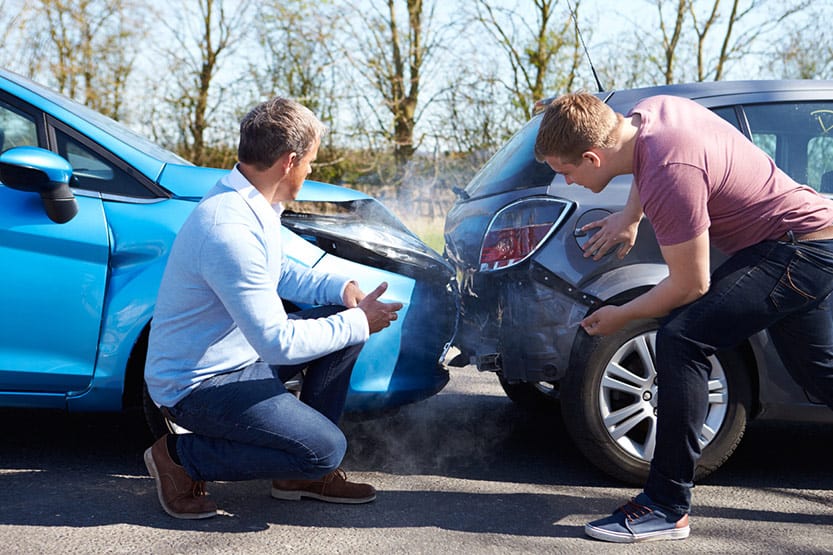
In a hit-and-run accident, gather as much information as you can about the other driver. Try to identify the color, make, and model of the vehicle. See if you can get a look at the driver. If you can see any portion of the license plate, write it down as soon as possible. Then, call the police to conduct an investigation. You can also conduct your own investigation with the help of an experienced attorney.
Steps To Take After a Hit-And-Run Accident
Here are the steps that you should take after a hit-and-run accident:
- Stop at the scene safely: Move your vehicle to a safe location. If the vehicle is inoperable, only move injured people if it’s necessary to keep them safe.
- Prioritize injuries and call 911: Request medical assistance, even if you are uncertain whether anyone is injured.
- Gather as much information as you can about the driver: Any look at the driver may be helpful. If you can get any description of the driver, it can help you solve the hit-and-run accident.
- Try to get license information: Just like any information about the driver is helpful, any license information that you can get is useful after a hit-and-run accident. Even a partial license plate can give you a lot to go on. Don’t expect to remember later. If you don’t have something to write with, text or email the information to yourself.
- Note the make, model, and color of the vehicle: Vehicle information may be a helpful tool to solve the hit and run. The police can search for vehicle owners in your area based on a partial description. In addition, vehicle information can help members of the public try to help solve the hit and run.
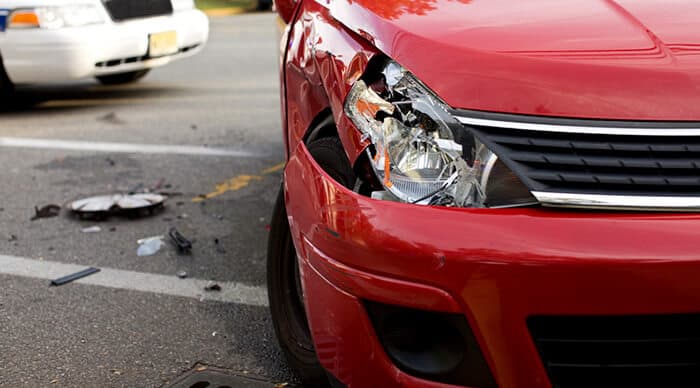
- Determine where the other vehicle may be damaged: As you work to solve your hit and run, keep in mind that the other car may have damage. If you can identify the most likely location of vehicle damage, you can ask the police to be on the lookout for similarly damaged vehicles. The police can also research whether vehicles matching the description have appeared for repairs at nearby body shops.
- Publicize the hit-and-run accident and ask for tips: The community may help you solve your hit and run. Publicity may spark public interest and lead witnesses to come forward. Both you and the police can ask the public for help in solving your hit-and-run crash.
- Document vehicle damage, location, and time: You need information about your vehicle for legal and insurance purposes. Document all damage and precisely when and where the accident occurred.
- Look for witnesses: Nearby witnesses may have seen the vehicle, the driver, or the license plate. If people are standing around, ask them what they saw. Write down any information that they can provide. Be sure to get contact information for each person that you talk to. You can canvass the neighborhood for additional witnesses.
- Check for cameras: Businesses, private residences, and government entities may all have cameras that can help you solve your hit and run. Go door to door and ask about surveillance cameras. You can expand your search to neighboring blocks and streets to see what vehicles may have been driving through at the time of the hit and run.
- Call the police if you didn’t call 911 previously: Even if the other side flees the scene of the accident, you still have an obligation to report the accident to the police. In fact, the faster you call the police, the higher chance they have of solving the hit and run. The police can be on the lookout for vehicles with damage that might fit the description. They can also conduct an accident investigation and look for other information available at the scene.
- Contact the insurance company: Your insurance may cover your accident damages and losses. You may have elected for uninsured or underinsured protection to cover the circumstances of a hit and run. Review your coverage with your attorney for hit-and-run accidents, and demand appropriate compensation based on your applicable insurance coverage.
Insurance Coverage in a Hit-And-Run Accident
Even in hit-and-run accidents, fault is a key element to determining insurance benefits. If you were at fault in the accident, your insurance benefits are typically covered by your collision policy and medical policy, respectively.
However, if the other party is at fault, you may either receive benefits from your uninsured driver policy or from the other driver’s liability policy, depending on whether that driver is identified. An experienced hit-and-run accident lawyer can help you navigate the insurance process.
Frustratingly, regardless of fault, your premiums are likely to increase after a hit-and-run accident.
Why Choose Our Hit-and-Run Accident Law Firm?
Bachus & Schanker is led by top-rated hit-and-run accident attorneys recognized among the best in Colorado. With decades of experience and thousands of cases handled within Colorado and nationwide, our team brings a proven track record of results to every case. They have represented clients in accident cases involving fleeing drivers and the pursuit of compensation through all available legal avenues across Colorado and nationwide.
At our firm, hands-on case management and personalized attention are central to how cases are handled. Attorneys remain directly involved throughout the process, with a focus on responsiveness, attention to detail, and clear communication at every stage of the case.
The benefits of working with our legal team include:
- Hit-and-run accident cases taken on a contingency fee basis – no legal fees unless we win your case
- Support of our victim advocates team
- Personalized attention from attorneys who understand hit-and-run accidents law
- Proven track record of maximizing settlements and verdicts for clients
- Experience handling cases in Colorado and across the United States
When you need experienced legal representation and immediate guidance on what to do after a hit-and-run, choose Bachus & Schanker, recognized as some of the best hit-and-run accident lawyers in Colorado.

















How Long After a Hit-And-Run Accident Can You Be Charged in Colorado?
According to state law for hit-and-run accidents, the statute of limitations for criminal charges in Colorado follows these timelines:
- Misdemeanor: 18 months
- Felony involving serious injury to a victim: Three years
- Felony involving the death of a victim: Five years
If the driver flees the state, or new evidence becomes reasonably available only after the time limit has passed, the prosecution may be granted additional time to file charges.
Contact Our Denver Hit-And-Run Attorneys
Are you the victim of a hit and run? Our lawyers are available 24 hours a day, seven days a week. We can meet with you anywhere, whether at the hospital, your home, or even virtually. Our attorneys are dedicated to ensuring that you receive fair compensation for your hit-and-run accident.
At Bachus & Schanker, we understand the challenges and stress you may be facing after an accident. That is why our Victim’s Advocates team fights to make sure the criminal justice system takes the harm you suffered into account.
Contact any of our offices in Denver, Aurora, Englewood, Fort Collins, or Colorado Springs to learn more about how we can help today.
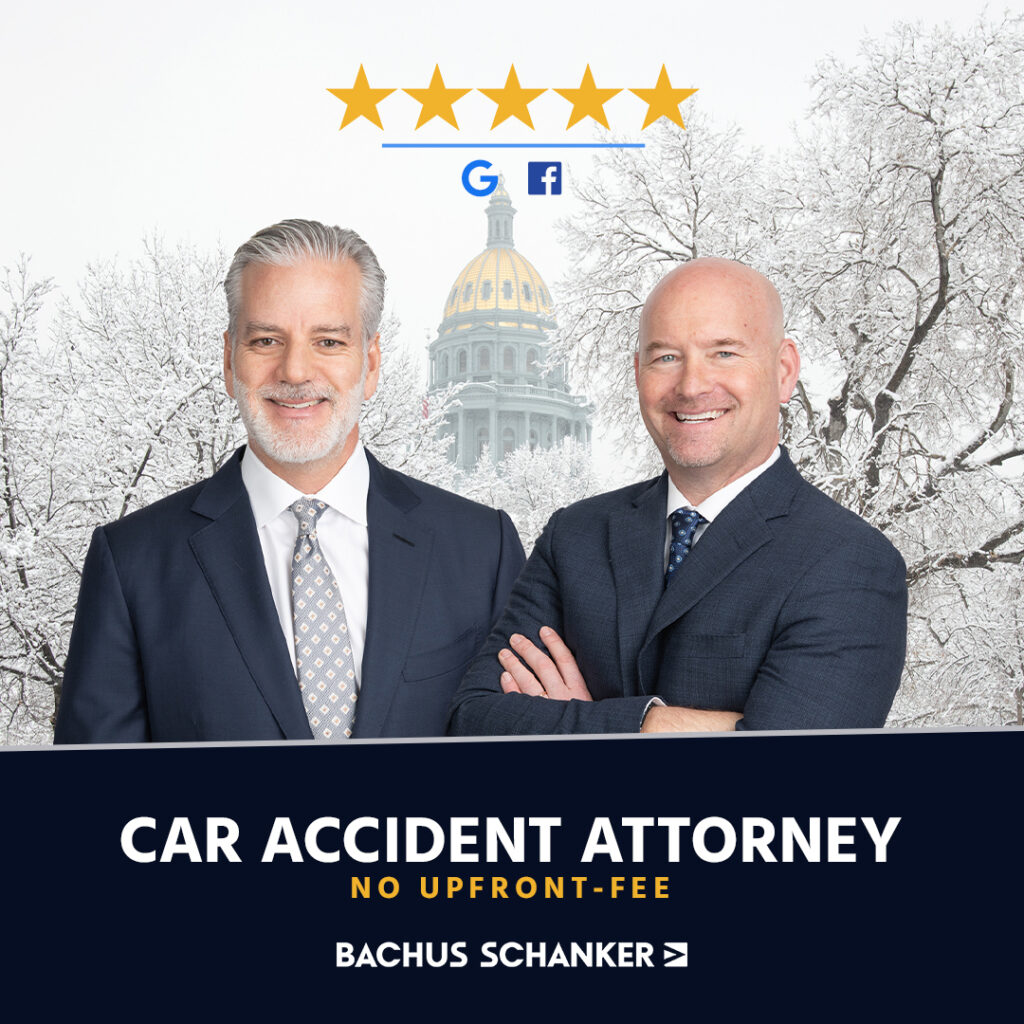
Kyle Bachus & Darin Schanker
Top-rated Colorado-based personal injury lawyers and co-founders of Bachus & Schanker, Kyle Bachus and Darin Schanker, have represented car accident victims and families across Colorado for more than 30 years, earning a reputation as some of the best car accident attorneys for serious injury cases. The firm is structured to handle car accident cases of all types and severities, with a team organized to provide focused support and guidance throughout the process. Kyle and Darin guide victims through the legal process with the support of a dedicated team of car accident specialists and Victim Advocates, ensuring care and advocacy from start to finish so clients can stay focused on healing.
Both Kyle and Darin are nationally recognized for their trial skills and leadership in the legal community. They are members of the Million Dollar Advocates Forum, an exclusive group of attorneys who have achieved million and multi-million-dollar verdicts and settlements, a distinction earned by fewer than 1% of U.S. lawyers. In addition, they have been named Colorado Super Lawyers every year for nearly two decades, included in the Lawdragon 500 Leading Plaintiff Lawyers in America, named Top One Percent by the National Association of Distinguished Counsel, Top 10 Personal Injury Attorneys in Colorado by America’s Best Advocates, and recognized as top civil plaintiff attorneys by The National Trial Lawyers. Beyond the courtroom, they support the Colorado community through the Bachus & Schanker Cares Foundation, which sponsors local nonprofits and initiatives. See Kyle Bachus and Darin Schanker on Super Lawyers.
Notable Colorado Car Accident Settlement Results
$20 Million
$15 Million
$7 Million
Related Car Accident Resources












Bachus & Schanker Client Testimonial: Auto Accident Case

Legal Support Across Colorado and Nationwide
Serving Clients Nationwide
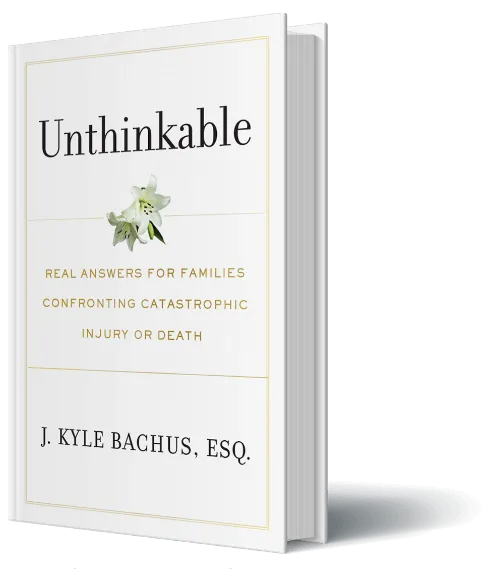
#1 Amazon Best Seller in the Legal Industry
Attorney Kyle Bachus knows first-hand how difficult it can be to suddenly lose a loved one in an accident. It’s also devastating when you or a family member suffers severe injuries that forever change your lives. Kyle wrote this book as a resource from his personal experience for families who have suffered a traumatic loss.
A Spanish edition of the book is also available, offering the same support and guidance to Spanish-speaking families.
You Deserve Fair Compensation
Don’t let the insurance companies intimidate you into accepting less than you deserve. We’re ready to fight for you.