
 Call Us!
Head Injuries After a Car Accident
Head injuries are common with car crashes, even minor fender-benders. The head can be tossed around, snapped forward and backward, and the brain shaken and bounced around as well. The extent of injuries can range anywhere from whiplash to traumatic brain injuries.
The car accident head injury lawyers at Bachus & Schanker understand the impacts a head injury can have on you, your family, and your daily routines. Let us help you recover the compensation you deserve to cover your current and future losses.
WHAT OUR CLIENTS SAY
·4.7 out of 5 · 2,650+ Google reviews
“I was recommended to Bachus and Schanker due to being involved in a recent accident. They have been so helpful, professional, and I absolutely would recommend them.”
Heather K.
Google review
“I called them the day of my accident. The whole process I was informed of each step along the way. My attorney always kept in contact and was very attentive.”
Gunnar B.
Google review
“At the time of my accident I didn’t know what route to go. They were there for me until the end, very professional and always handling things in a timely matter.”
Geneva J.
Google review
“They handled my accident claim with care, kept me updated every step of the way, and made the entire process so much less stressful.”
Ajay
Google review
“The staff always explained everything very clearly and I felt that they cared about my needs and what had happened to me in my car accident.”
Stephen C.
Google review
NOTABLE SETTLEMENTS
$20M
Car crash
$15M
Car crash
$11.5M
Auto accident
$4.7M
Truck accident
Past results do not guarantee future outcomes.
How Can a Car Accident Cause a Head Injury?
Car crashes can cause head injuries in several different ways:
- Direct impacts: The head hits the steering wheel, dashboard, headrest, or door window, or is struck by the airbag when it deploys.
- Shearing and rotational forces: The back-and-forth shaking that occurs from being hit in a car accident can be strong enough to shake the brain and stretch and tear nerve endings and pathways, even if your head never impacts anything.
- Whiplash motion: The force of impact, especially in rear-end collisions, jolts the brain and causes it to hit the inside of the skull.
What Are the Most Common Types of Head Injuries?
The most common types of head injuries include the following:
- Concussions
- TBIs (traumatic brain injuries)
- Skull fractures
- Brain bleeds (hemorrhages)
- Cerebral edema
- Brain contusions (bruises)
- Diffuse axonal injuries (DAIs)
What Symptoms Should You Watch For, and Can They Appear Days or Weeks After an Accident?
Head injuries are not always apparent immediately after the crash. Your adrenaline levels are higher, and the brain naturally releases endorphins, which mask pain and discomfort. Some types of head injuries are also slower to appear and delayed symptoms after a car accident could take days before symptoms appear.
| Condition | Primary Symptoms to Watch For |
| Concussions | Headaches, dizziness, brain fog, light sensitivity, memory gaps, mood swings, fatigue, and nausea. |
| Traumatic Brain Injuries (TBIs) | Extended loss of consciousness, profound confusion, inability to awaken from sleep, severe memory loss, slurred speech, and loss of coordination. |
| Brain Contusions (Bruises) | Localized head pain, localized numbness, tingling, and mild cognitive functioning. Larger bruises can mirror stroke-like symptoms. |
| Diffuse Axonal Injuries (DAIs) | Prolonged loss of consciousness, severe confusion or disorientation upon waking, and profound memory problems. |
| Skull Fractures | Bruising behind the ears (Battle’s sign), bruising around the eyes (raccoon eyes), clear fluid draining from the nose/ears, and a visible or felt dent in the scalp. |
| Brain Bleeds (Hemorrhages) | Sudden and worsening “thunderclap” headache, unequal pupil sizes, slurred speech, one-sided weakness, and seizures. |
| Cerebral Edema (Swelling) | Severe, relentless headache, repeated projectile vomiting, profound lethargy, altered consciousness, and vision loss. |
Why Is Prompt Medical Attention Important After a Possible Head Injury?
Brain injuries are not always noticeable immediately after a car crash. Cerebral swelling is not immediate either. Secondary brain injuries could also appear days after the initial brain injury.
Another issue is the lucid interval, which is associated with an epidural hematoma. The person may act fine and not visit a doctor after a car accident. However, what is actually going on is blood is starting to pool inside the skull. Once space for the blood runs out, the person can quickly fall into a coma and even die.
How Are Head Injuries Diagnosed?
Head injuries are diagnosed using a combination of physical exams, CT scans, MRIs, and neurological scoring scales, like the Glasgow Coma Scale. You are also asked basic questions during a medical assessment, such as what year it is, who the president is, or when your birthday is.
What Are the Potential Long-Term Effects of a Traumatic Brain Injury on Daily Life, Work, and Future Care?
TBIs can affect daily life, work, and future care because the brain controls every aspect of human functioning, reasoning, and behavior.
Impacts could include:
- Physical limitations
- “Brain fog” and cognitive exhaustion
- Behavioral and emotional changes
- Sensory changes
- Difficulty with multitasking and reasoning
- Problem-solving impairments
- Memory retention and recall problems
Some people have to transition from working full-time to part-time or have to go through vocational rehab because they can no longer work in the same job they had before the car crash. In severe cases, working may no longer be possible.
Future care needs could also require ongoing care that includes:
- Physical and occupational therapy
- Speech and language therapy
- Neuropsychiatric care
- Mental health therapy
- Long-term support services for assistance with daily tasks





















What Evidence Can Support a Car Accident Head Injury Claim?
Building a solid head injury claim involves gathering several “layers” of medical proof and evidence, including:
- Emergency and first responder reports and records
- 911 call transcripts
- CT and MRI images and reports
- Neuropsychological grading and evaluations
- Doctors’, nurses’, psychiatrists’, and psychologists’ notes
- Family, friends, and witness testimony
- Expert medical testimony
- Police reports
- Pictures and videos of the crash site, both vehicles, and your injuries
- Surveillance footage
- Your daily symptom journal
- Employment and wage documentation
What Compensation May Be Available for Medical Expenses, Lost Wages, Pain and Suffering, and Long-Term Care?
Car accident head injury claims include economic damages, which are your actual financial losses, such as:
- Medical expenses
- Lost wages
- Long-term care costs
- Prescriptions costs
- Neuropsychiatric care expenses
- In-home care assistance
Non-economic damages can also be claimed, which are subjective, non-monetary losses, like:
- Pain and suffering
- Emotional anguish
- Loss of enjoyment
- Loss of consortium
What Happens if an Insurance Company Questions the Severity of a Head Injury?
Insurance companies are notorious for disputing head injury claims. They argue that the injuries are made up because they are “invisible,” were pre-existing, or are being overly exaggerated. How you fight back is by knowing what to do after a car accident injury and providing the comprehensive evidence to support your claim, as we covered earlier.
Can You File a Claim if Symptoms Appear After the Accident?
Yes, you can still file your claim if your symptoms appear hours or days later after the accident. However, you do need to be prepared for some pushback by the insurance company.
What Is the Deadline for Filing a Car Accident Head Injury Claim in Colorado?
Colorado’s statute of limitations for filing a car accident head injury claim is three years from the date of the accident. However, if your injuries were the result of a crash with a city, county, state, or federal government vehicle, you have a much shorter timeframe, generally up to 180 days to file. If you don’t file in the allowed timeframe, you forfeit your right to any compensation.
When Should You Contact a Car Accident Lawyer?
You should contact one of our car accident head injury lawyers as soon as possible after seeking medical treatment for your injuries and before speaking with the insurance adjuster. Our free legal advice and information can make a huge difference in car accident settlement amounts.
How Can Bachus & Schanker Help Victims With Car Accident Head Injury Claims?
Bachus & Schanker offers the following:
- Free case evaluations and consultations
- Honest legal advice
- Takes cases on a contingency basis: no win, no pay
- Decades of experience helping victims obtain favorable settlements
- Extensive trial experience
- Multiple offices throughout Colorado
- Personalized attention
- Additional support beyond the legal aspects of your case
- Caring, concerned legal team
- Access to our Victim’s Advocates for catastrophic and wrongful death cases
- Gathers strong evidence to support your claim
- Manages all aspects of your case
- Access to resources like medical experts
Contact one of our offices today to schedule your free consultation now. Even if you have already received a settlement offer from the insurer, we strongly urge you to get a second opinion before you sign the agreement.
Legal Support Across Colorado and Nationwide
Serving Clients Nationwide

Kyle Bachus & Darin Schanker
Top-rated Colorado-based personal injury lawyers and co-founders of Bachus & Schanker, Kyle Bachus and Darin Schanker, have represented car accident victims and families across Colorado for more than 30 years, earning a reputation as some of the best car accident attorneys for serious injury cases. The firm is structured to handle car accident cases of all types and severities, with a team organized to provide focused support and guidance throughout the process. Kyle and Darin guide victims through the legal process with the support of a dedicated team of car accident specialists and Victim Advocates, ensuring care and advocacy from start to finish so clients can stay focused on healing.
Both Kyle and Darin are nationally recognized for their trial skills and leadership in the legal community. They are members of the Million Dollar Advocates Forum, an exclusive group of attorneys who have achieved million and multi-million-dollar verdicts and settlements, a distinction earned by fewer than 1% of U.S. lawyers. In addition, they have been named Colorado Super Lawyers every year for nearly two decades, included in the Lawdragon 500 Leading Plaintiff Lawyers in America, named Top One Percent by the National Association of Distinguished Counsel, Top 10 Personal Injury Attorneys in Colorado by America’s Best Advocates, and recognized as top civil plaintiff attorneys by The National Trial Lawyers. Beyond the courtroom, they support the Colorado community through the Bachus & Schanker Cares Foundation, which sponsors local nonprofits and initiatives. See Kyle Bachus and Darin Schanker on Super Lawyers.
Notable Colorado Car Accident Settlement Results
$20 Million
$15 Million
$7 Million
Related Car Accident Resources





























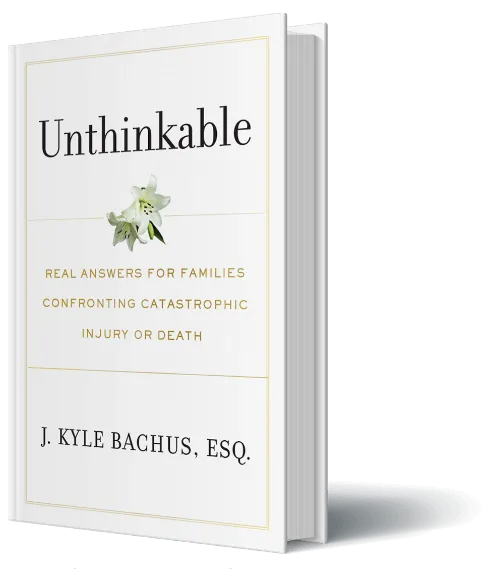
#1 Amazon Best Seller in the Legal Industry
Attorney Kyle Bachus knows first-hand how difficult it can be to suddenly lose a loved one in an accident. It’s also devastating when you or a family member suffers severe injuries that forever change your lives. Kyle wrote this book as a resource from his personal experience for families who have suffered a traumatic loss.
A Spanish edition of the book is also available, offering the same support and guidance to Spanish-speaking families.
You Deserve Fair Compensation
Don’t let the insurance companies intimidate you into accepting less than you deserve. We’re ready to fight for you.