Call Us!
Understanding The Spike In Denver Pedestrian Accidents
Pedestrian accidents are increasing at an alarming rate in Denver and Colorado in general. The number of pedestrians who have lost their lives in traffic crashes in the city has increased by 50% between 2024 and 2025. Additionally, the state has seen an 88% increase in pedestrian deaths between 2015 and 2025.
Bachus & Schanker helps pedestrians injured by negligent drivers and families who lose their loved ones in pedestrian accidents. If you are a Denver pedestrian hit by a car, our pedestrian accident lawyers will ensure you understand your options and legal rights. Our wrongful death lawyers help families protect the rights of their loved ones.
Pedestrian Accident Statistics Over The Last Few Years
According to the Colorado Department of Transportation (CDOT), Denver was among the counties that reported the highest number of pedestrian fatalities in Colorado in 2024. Of the 120 deaths reported in the state, 18 happened in Denver.
Before 2024, the number of pedestrian fatalities reported in Denver was as follows:
- 2023: Nine in the first half of the year and 24 by the end of the year
- 2022: 22
- 2021: 17
As of September 30, 2025, Denver has reported 25 pedestrians, six motorcyclists, three bicyclists, and seven people riding scooters killed in traffic accidents so far this year. The 25 pedestrians killed represent a 50% increase from the same period last year (as of September 30, 2024, 16 pedestrians had been killed in traffic accidents in the city). The increase of pedestrian deaths led to a slight increase in the overall traffic fatalities.
These statistics of pedestrian accidents in Denver show that the number has been increasing over the years. More people are dying when walking on the road than in any other way. Therefore, you may be in danger when walking to work or during your recreational walk. Negligent drivers also endanger motorcyclists, bicyclists, or scooterists.
High-Risk Locations
Pedestrian accidents are reported in different areas in Denver. High-risk locations include streets and intersections. Busy corridors, such as Colfax Avenue, Broadway, and Speer Boulevard, report a high number of pedestrian accidents. These streets often have heavy traffic, which can encourage some drivers to engage in reckless behaviors, like speeding and failing to yield to pedestrians.
Some intersections in the city are also high-risk locations for pedestrians. Examples include the intersections of:
- Colfax Avenue and North Speer Boulevard
- Federal Boulevard and Jewell Avenue
- 52nd Avenue and Federal Boulevard
- Market Street and 20th Street
- North Lincoln and East Colfax
- North Broadway and East 13th Avenue
- South Broadway and Speer Boulevard
- Blake Street and 20th
- South University Boulevard and East Asbury Avenue
These intersections usually have significant foot traffic, with most of them having inadequate sidewalks and street lighting, which pose a risk to pedestrians.
The leading contributing factors to pedestrian accidents in Denver are:
- Speed: Drivers who speed have less time to see a pedestrian and react safely. The higher a driver’s speed is, the lower the chances of a pedestrian surviving a crash.
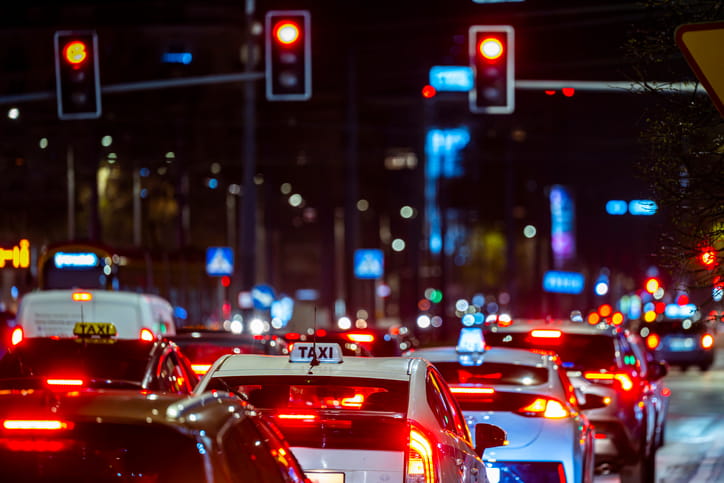
- Time of day: A significant percentage of pedestrian accidents in Denver and Colorado occur in dark conditions. Poor visibility resulting from darkness at night/dawn and adverse weather conditions is a major contributing factor to accidents. That’s why it’s recommended for pedestrians to wear reflective gear when walking in the dark and for drivers to drive at a slower speed.
- Poor infrastructure: Inadequate street lights (resulting in poor visibility), poorly designed roads that encourage speeding, unclear or faded crosswalks (especially at intersections), insufficient pedestrian infrastructure, and poor signal timing contribute to a high number of pedestrian accidents.
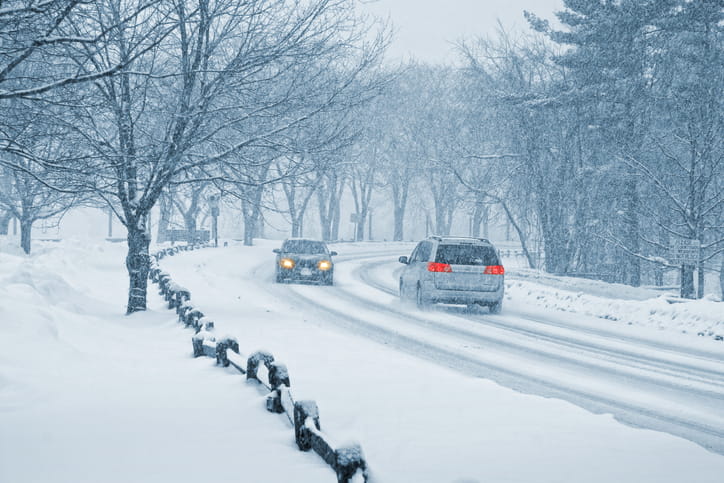
- Weather: Besides compromising visibility, adverse weather creates hazardous conditions that increase the risk of pedestrian accidents. These include increased stopping instances for vehicles and walkways obstructed by snowbanks left by plows, which force pedestrians to enter the street and obstruct the view of drivers.
Denver’s Vision Zero program aims to eliminate traffic deaths and serious injuries by implementing solutions for the above-discussed factors and more. The city is making improvements aimed at slowing drivers, shortening crossing distance for pedestrians, enhancing visibility on crosswalks, increasing lighting on roads, installing pedestrian refuge islands, creating a network of bike lanes, reconfiguring roadways, and so on.
For example, as part of the University Neighborhoods Safer Streets Program, the city redesigned the intersection of South University Boulevard and East Asbury Avenue to shorten pedestrian crossing distances and encourage slower vehicle speeds. This program is focused on making university neighborhoods safer, allowing residents to safely walk or cycle to schools, jobs, and shops.
Nonetheless, pedestrian accidents still happen in Denver, majorly because of negligence. If a driver engages in speeding, distracted driving, drunk driving, failing to yield, and other reckless behaviors, they can hit a pedestrian. And this is seen in the 50% increase in pedestrian deaths over the last year.
Understanding and monitoring trends when it comes to pedestrian accidents helps pedestrians identify high-risk locations and situations, and, in turn, make better safety choices. It’s also important to be aware of your legal rights to protect yourself.