Call Us!
Colorado’s New Traction Laws For Winter Driving
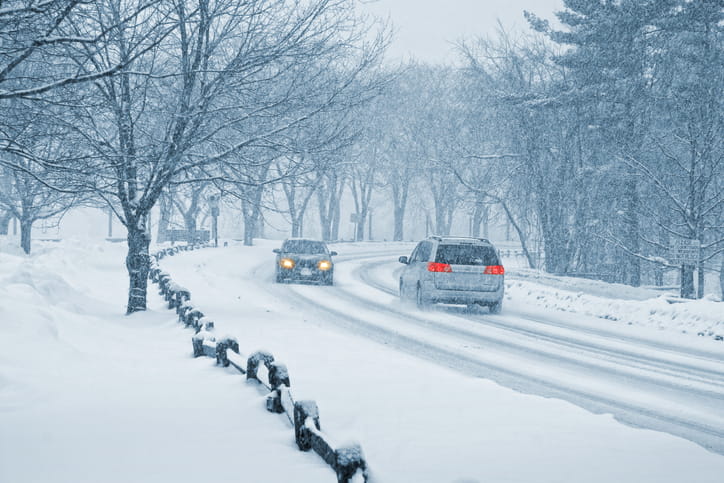
Driving on Colorado roads and highways can be an adventure during the winter. Even a light dusting can make many roads treacherous. While following these five winter driving tips can help you avoid common winter car accidents, the steps other drivers take matter, too.
The state has recognized that staying safe on Colorado highways is a collective effort. As a result, lawmakers updated Colorado traction laws in 2025 to place restrictions on all types of vehicles during winter storms.
Here’s what you need to know.
What Has Changed With Colorado’s Traction Rules?
If you’re a resident or plan on visiting Colorado, new traction laws will likely apply to your vehicle. The changes involve new rules, stricter enforcement, and collaboration with rental car companies.
New Regulations
The new regulations make the laws stricter across the board. Starting in September of 2025, the state has the authority to activate traction laws on any state highway during a snowstorm. Furthermore, these laws always apply on the I-70 mountain corridor that runs from Denver through Dotsero between September 1 and May 31.
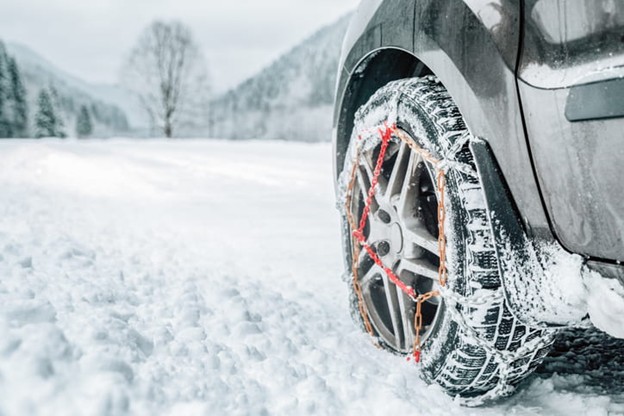
Drivers of four-wheel or all-wheel drive vehicles must have winter-rated tires (M+S, All-Weather, or 3PMSF), with at least 3/16” tread depth. Alternatively, you can use chains or an approved alternate traction device (ATD) on at least two drive tires. During severe conditions, chains or ATDs are still recommended, even if you have winter-rated tires.
For drivers of 2WD vehicles, you must use chains or ATDs when the traction law is active, no matter what type of tires you have.
Unfortunately, due to ambiguity in the statutory language, a loophole appears in these rules. The legislature intended for every vehicle to be required to have snow tires installed when driving on a road with active traction rules. However, due to the phrasing of the new regulations, two-wheel drive vehicles can meet the statutory requirements with any type of tires and chains. The legislature expects to correct that loophole soon.
Stricter Enforcement
State police will now have a mandate to increase enforcement of these rules. Commercial vehicles will be more rigorously inspected. If they don’t have the proper tires affixed or any tire has a tread that is less than 3/16,” the driver of the vehicle can receive a $67 fine. Passenger vehicle drivers can also be fined if they have the wrong equipment.
Additionally, if you cause an accident because you are using equipment that violates the traction laws, you can be fined up to $650. The state is aiming to decrease the number of spinouts and accidents caused by traction issues.
Collaboration With Rental Car Companies
Tourism is the lifeblood of many areas of Colorado during the winter months. The legislature recognizes that many tourists may not be as familiar with state traction laws as locals. To this end, the legislature is collaborating with rental car companies.
Rental car companies are encouraged to rent more all-wheel drive vehicles, keep snow tires on them throughout most of the year, and teach renters how chain laws work. This is a win for both the state and the rental car companies because it should lessen the number of rental car accidents.
Contact Bachus & Schanker After A Traction-Related Accident In Colorado
Were you injured in a traction-related accident in Colorado? An experienced car accident lawyer from Bachus & Schanker can help you explore your legal options.