
 Call Us!
Car Accident: Winter Driving Collision Resource
Even for experienced drivers, winter driving in Colorado can present unique challenges. Because of our mountainous terrain, cold climate, and high snowfall, driving in Colorado during the winter can turn your commute dangerous.
But have no fear. With some common-sense precautions, preparations, and driving habits, you can make winter driving almost as safe as any other time of the year. And when accidents are unavoidable, understanding how to prevent or mitigate accidents can make the difference between a minor collision and serious injury.
At Bachus & Schanker, we personally understand just how dangerous road accidents can be. In fact, Kyle Bachus’ mother was killed by a negligent driver, which is why we try to do everything in our power to ensure it never happens again.
Whether you’re just learning how to drive safely in the snow or you’re looking for advice on what to do after a winter snow car accident, Bachus & Schanker is here to help.
Common Reasons That Car Accidents Happen In the Winter
Although harsh weather conditions can be a factor in winter automobile collisions, many can be avoided with some preparation and increased awareness of the surroundings, conditions, and other drivers.
Snow, ice, and freezing rain create slippery roads, snow and weather conditions create reduced visibility, and shorter daylight hours encourage more dangerous night driving. However, it’s how drivers react to these situations that creates safety.
Let’s take a look at some of the common reasons car accidents happen in the winter:
Driving Too Fast During Inclement Weather
Even in normal circumstances, driving above the legal speed limit poses a significant hazard for drivers and their safety. During snowy conditions, ice storms, and in the dark, these hazards can create conditions that are deadly.
Like every state in the nation, Colorado defies speed limit regulations on its streets and highways, in this case under the Colorado Revised Statutes CRS § 42-4-1101. These regulations are based on the latest crash-science and exist for your safety. You should follow them to the letter, especially in the winter.
Following Too Closely And Not Stopping In Time
Colorado law also includes regulations regarding following too closely to other drivers. Under the Colorado Revised Statutes number CRS § 42-4-1008, drivers are required to be mindful of their following distance to avoid accidents like rear-end collisions. In many, if not most cases, if you collide into a driver from the rear, you are at fault because you were following too closely.
You should always respect safe following distances, but in the winter, especially during adverse weather conditions, and in the dark, you should increase them even more. Remember, safety first — slippery roads can cause increased stopping time.
Not Braking Safely
One of the most important skills to learn while driving in Colorado is learning to brake safely in inclement weather like snow and rain, especially on mountain roads. Reduced traction during these times can cause your vehicle to slide instead of stop, and these conditions almost always increase stopping distances.
When you’re approaching a stopping point, you should always try to come to a gradual stop and make sure to take the conditions into consideration for your stopping distance. Always allow more time than you need, especially in bad weather. Additionally, you should choose a car with anti-lock breaks.
Why Choose Our Winter Weather Collision Law Firm?
Bachus & Schanker is led by top-rated winter weather collision attorneys recognized among the best in Colorado. With decades of experience and thousands of cases handled within Colorado and nationwide, our team brings a proven track record of results to every case. They have represented clients in accident cases involving complex winter weather conditions across Colorado and nationwide.
At our firm, hands-on case management and personalized attention are central to how cases are handled. Attorneys remain directly involved throughout the process, with a focus on responsiveness, attention to detail, and clear communication at every stage of the case.
The benefits of working with our legal team include:
- Winter weather collision cases taken on a contingency fee basis – no legal fees unless we win your case
- Support of our victim advocates team
- Personalized attention from attorneys who understand winter weather accidents law
- Proven track record of maximizing settlements and verdicts for clients
- Experience handling cases in Colorado and across the United States
When you need experienced legal representation after a winter weather collision, choose Bachus & Schanker, recognized as some of the best winter weather accident lawyers in Colorado.



















How To Drive Safely During The Winter In Colorado
The best way to avoid accidents is to prepare ahead of time. By cultivating habits such as staying up-to-date on the weather, equipping your vehicle properly, and observing Colorado’s chain laws, you can ensure the best possible outcomes while on the road.
You should also remember you’re not only doing your part to keep yourself safe, you’re keeping your passengers and others on the road safe as well. Keep these winter and inclement weather driving tips in mind when preparing for your next trip.
Stay Up-To-Date On The Weather
During the winter in Colorado, the weather can change from day-to-day and at a moment’s notice. Inclement weather may mean you should stay out of your car altogether, or that you should get your shopping or errands done before the next snowstorm hits. Not being on the roads at all during inclement weather is undoubtedly the best way to stay safe.
However, we also understand it’s sometimes unavoidable. When this is the case, you’ll want to have the best and latest information available. Using resources like state weather notification apps, such as this one from the University of Colorado, and keeping updated with notifications from the Colorado Department of Transportation, will ensure that you always know when inclement weather is on the horizon.
Properly Equip And Maintain Your Vehicle For Winter Weather
There are numerous things you can do to help ensure your vehicle is the safest it can be in the winter. A well prepared vehicle is always a safer vehicle than the same one that is not.
You should consider dedicated winter snow tires, scheduling maintenance for before winter so your car is in top shape for the snowy season, and understand any laws that may be unique to Colorado, especially if you didn’t grow up or learn to drive here.
Some things you may wish to consider to make the winter season safer:
- Understand Colorado’s chain laws and keep a set of tire chains in your vehicle.
- Use all-weather tires or dedicated snow tires that can be put on at the beginning of the season.
- Ensure your windshield wiper blades are working properly and effectively.
- Ensure there are no obstructions on your headlights and tail lights.
- Ensure that your brakes are in good working order.
- Ensure your battery is in good working order.
It is essential that you properly winterize your car. If you’re unsure how to do so, you can take it to your local mechanic for a tuneup and ask about necessary steps you need to take to make sure your vehicle is ready for the winter.
You may also want to consider keeping a safety and emergency kit in your vehicle for when accidents and emergencies do happen. These simple kits can generally be purchased for under $100 and come with many helpful medical items. You may even save someone’s life, including your own.
Chain Laws In Colorado
In the winter, Colorado often requires tire chains for safety. Colorado’s chain law states that all commercial vehicles and many larger vehicles, such as RV’s, carry chains from September 1 to May 31. In some instances, regular passenger vehicles must have chains or proper winter tires and other traction devices during this period as well, depending on where they are driving and other factors.
You can learn more about Colorado’s chain laws from the Colorado State Patrol.
Clear Your Vehicle Properly Before Driving
When driving during the winter, in all cases, your vehicle should be completely free of snow. In some cases, drivers will only clean the windshield and door windows while leaving snow on the top of the car or other areas. This is not correct and should not be done. At high speeds or when stopping quickly, this snow can fall off and hinder or injure another driver or pedestrian.
Refrain From Using Cruise Control
Cruise control can be a wonderful help on long trips, but using it during snowy or other inclement weather is not recommended. When driving conditions are less than ideal, it’s best to have complete control of your vehicle, including the speed.
Not using cruise control will also help to keep you aware of your surroundings, as using the device for long periods of time can lull you into a sense of security, allowing you to be distracted. In addition, in the event that you skid or lose traction, your cruise control system may make your vehicle accelerate as opposed to stopping.
Keep Going If You’re Driving Uphill
Colorado is known for its mountains. While our beloved Rockies are both beautiful and great for recreation, they also provide roads that may be steeper than other places. Even hills with slight inclines can cause you to lose control of your vehicle if there is snow, sleet, or water on the ground.
It’s important to understand that if you’re driving up a hill, you must keep driving. Stopping can cause an accident, and losing momentum may cause you to skid or even to slide backwards. Your momentum will allow you to get safely to the top of the hill, and keep other drivers safe as well.
Discuss Safe Driving During Winter Weather With Your Family
One of the best ways to keep the streets safe for everyone during winter is to discuss safe driving with the whole family, especially teens who may be less experienced in the snow. Even if you have made a rule that they shouldn’t drive in the snow, there may be situations where they have to. In this situation, it’s imperative they understand safe driving habits and what to do in an emergency.
Drive Predictably, Not Aggressively
Aggressive driving, such as speeding, tailgating, and sudden lane changes are a no-go at all times of the year, but become especially dangerous in the winter. Even following all laws, you can still be an aggressive driver, and caution should be taken to treat others with respect. Remember, the accident you prevent could be your own.
Strive to drive predictably and courteously to other drivers. Use your turn signal, give others lots of space, and avoid road rage. Predictable driving helps avoid accidents.
Don’t Go On The Roads Unless You Need To
If there is poor weather heading your way, ensure that you don’t head out on the roads unless you absolutely need to. The safest place is inside. You may even want to leave work or pick up your children from school early to avoid any inclement weather.
Try not to make any unnecessary trips during this time, and strive to have essentials, like groceries, already at home before storms hit. If you do have to drive, drive as cautiously and predictably as possible.
What Should I Do After A Winter Car Accident In Colorado?
If you do get into an accident, it’s important to know what to do to keep yourself safe, as well as collect the information to get the justice you deserve.
After an accident you should:
- Assess the safety conditions: Move to safety immediately.
- Call the police and an ambulance: For most accidents, you have a legal duty to notify the police and a police report may be a crucial piece of evidence in a legal case.
- Seek medical attention: Even if you feel okay, go to the hospital or receive evaluation. Many injuries don’t appear until later.
- Document the scene: If safe to do, take photos or videos of any damaged vehicles, injuries, skid marks, or anything else that may be important.
- Exchange insurance information: If there are witnesses, collect their contact information as well.
- Notify your insurance company: Let them know the accident has happened, but if they approach you with a settlement for medical bills, don’t sign anything before speaking to an attorney.
- Save any bills you may receive as a result of the accident: These can be crucial to a lawsuit.
- Contact a Colorado car accident injury attorney: You may be owed compensation.
Contact Our Colorado Car Accident Lawyers
Colorado’s winter beauty and lovely mountains come with a price. Even with ultra modern and safe cars, nature must be respected. But by understanding common hazards, you can keep yourself and others safe.
If tragedy does strike during the winter or any other time, call Bachus & Schanker. Kyle Bachus suffered a tragic loss when his mother was hit by a cement truck operated by a negligent driver. Kyle and his family went through a difficult time dealing with the justice/criminal system, all while dealing with the pain of losing their loved one.
Kyle truly understands what his clients are going through when they experience wrongful death or injury, which is why Bachus & Schanker has assembled a group of Victim’s Advocates that support victims of crime and other catastrophic incidents. This specialized group has a deep understanding of the civil and criminal justice system, and can help you and your family get through any accident. We know, we’ve been there.
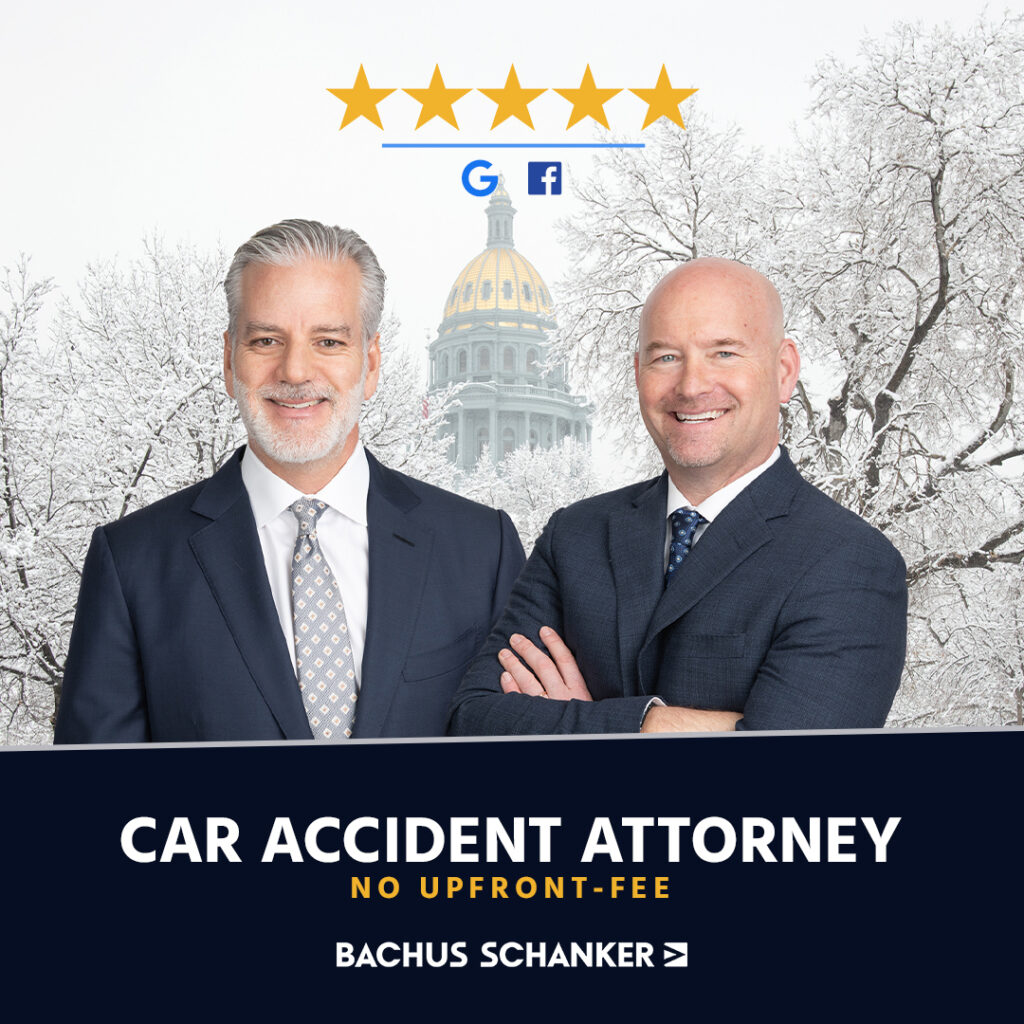
Kyle Bachus & Darin Schanker
Top-rated Colorado-based personal injury lawyers and co-founders of Bachus & Schanker, Kyle Bachus and Darin Schanker, have represented car accident victims and families across Colorado for more than 30 years, earning a reputation as some of the best car accident attorneys for serious injury cases. The firm is structured to handle car accident cases of all types and severities, with a team organized to provide focused support and guidance throughout the process. Kyle and Darin guide victims through the legal process with the support of a dedicated team of car accident specialists and Victim Advocates, ensuring care and advocacy from start to finish so clients can stay focused on healing.
Both Kyle and Darin are nationally recognized for their trial skills and leadership in the legal community. They are members of the Million Dollar Advocates Forum, an exclusive group of attorneys who have achieved million and multi-million-dollar verdicts and settlements, a distinction earned by fewer than 1% of U.S. lawyers. In addition, they have been named Colorado Super Lawyers every year for nearly two decades, included in the Lawdragon 500 Leading Plaintiff Lawyers in America, named Top One Percent by the National Association of Distinguished Counsel, Top 10 Personal Injury Attorneys in Colorado by America’s Best Advocates, and recognized as top civil plaintiff attorneys by The National Trial Lawyers. Beyond the courtroom, they support the Colorado community through the Bachus & Schanker Cares Foundation, which sponsors local nonprofits and initiatives. See Kyle Bachus and Darin Schanker on Super Lawyers.
Notable Colorado Car Accident Settlement Results
$20 Million
$15 Million
$7 Million
Related Car Accident Resources







Bachus & Schanker Client Testimonial: Auto Accident Case

Legal Support Across Colorado and Nationwide
Serving Clients Nationwide
#1 Amazon Best Seller in the Legal Industry
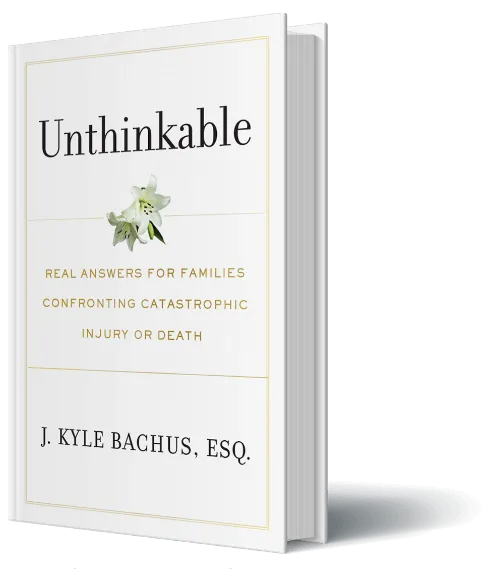
Attorney Kyle Bachus knows first-hand how difficult it can be to suddenly lose a loved one in an accident. It’s also devastating when you or a family member suffers severe injuries that forever change your lives. Kyle wrote this book as a resource from his personal experience for families who have suffered a traumatic loss.
A Spanish edition of the book is also available, offering the same support and guidance to Spanish-speaking families.
You Deserve Fair Compensation
Don’t let the insurance companies intimidate you into accepting less than you deserve. We’re ready to fight for you.