Call Us!
First Months of Colorado’s Hands-Free Law Brings Drop in Distracted Driving Crashes

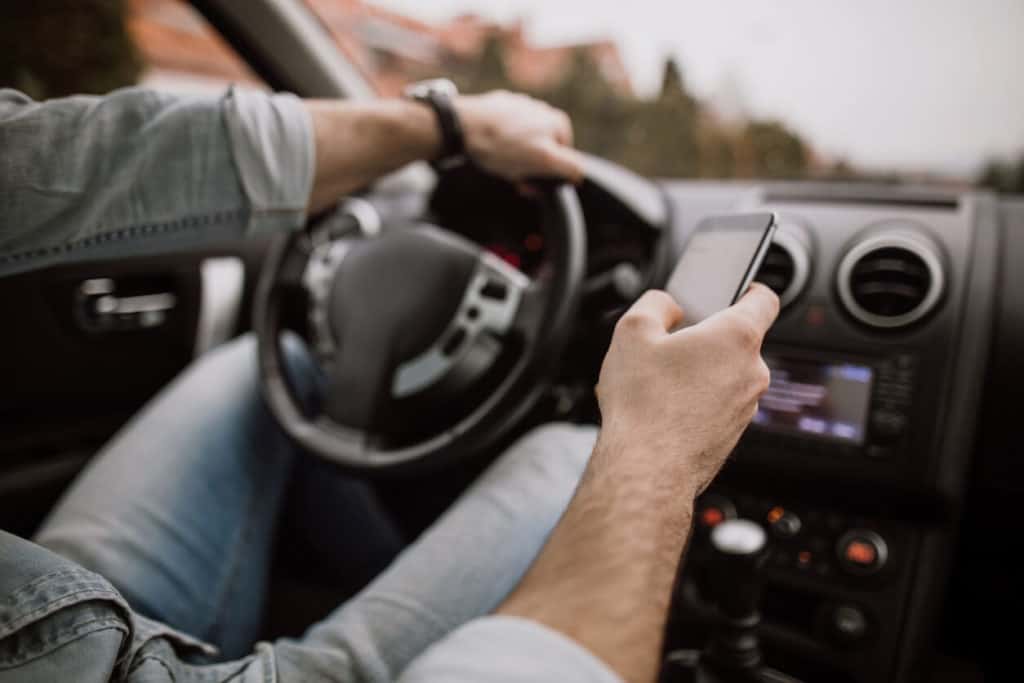
A significant number of accidents that occur in Colorado are caused by a certain form of distraction, be it visual, manual, or cognitive. To reduce distracted driving accidents and fatalities, the government introduced the hands-free law, which took effect on January 1, 2025. This law prohibits drivers from using a mobile device or even holding it when driving, but hands-free accessories are permitted.
A driver can’t manually use their cellphone or any other device for voice calls or browsing. Their hands should be free at all times when driving, even when stopped by traffic or at a stoplight. If a driver needs to communicate, they should use a hands-free accessory.
Even though the law has been in effect for a few months, it has already shown noteworthy results. There is a drop in the number of distracted driving crashes in the state, proving its effectiveness.
The 100 Deadliest Days
Car accidents are usually high during the summer period. Distracted driving is one of the factors that contributes to these crashes. Some people driving to recreational activities don’t pay attention to the road. They might keep taking their eyes off the road to look at the GPS or are texting to get directions.
Further, teenage drivers are always in high numbers during these months, driving to their summer jobs or social events. Teens are more likely to be involved in an accident because of inexperience, distractions, and the likelihood of engaging in risky behaviors.
Another factor that can be linked to the increased number of accidents during the summer period is heavy traffic. With many people spending time outdoors, roads are often congested, which can increase the risk of accidents.
Colorado hands-free law is expected to significantly reduce the number of accidents during the 100 deadliest days.
According to the Colorado Department of Transportation (CDOT), as of March 2025, only two months after the law went into effect, the Colorado State Patrol had issued 94 citations to drivers who were caught using their cellphones or mobile devices while driving. This is 135% higher than the number of citations issued within the same period at the beginning of 2024.
The Colorado distracted driving citations increase shows how Colorado is focused on reducing cases of distracted driving. The 94 citations issued could have potentially been crashes. The state wants changes to the texting and driving statistics.
The CDOT also reported an 11% decrease in traffic deaths from March 2024. This can be linked to the hands-free law since distracted driving is among the leading causes of traffic fatalities.
A study from Cambridge Mobile Telematics (CMT) in February 2025 found a 3.3% reduction in cellphone use while driving among Coloradans. CMT estimated the law to have prevented 88 crashes, 49 injuries, and $3.5 million in economic damages in just one month since its implementation.
It’s crucial for drivers to comply with this law to maintain safety for themselves and other road users.
Penalties for Violations
If a driver violates the hands-free law, they will receive a $75 fine and two license suspension points for the first offense. Repeat offenders will face higher fines and more license points.
A first offender can have their charge dismissed by providing proof of purchasing a hands-free accessory, which includes Bluetooth headsets, dashboard mounts, Apple CarPlay/Android Auto, and car speaker systems.
Exceptions
Some drivers are exempted from the Colorado hands-free law. These are:
- Individuals reporting an emergency. If a driver has a reason to fear for their life or safety, or believes a criminal act might be perpetrated toward them or someone else, they can take their phone and call the police. Other examples of emergencies include reporting a reckless driver, serious traffic accident/road hazard, medical emergency, fire, or hazardous materials emergency. Any incident that needs a driver to contact 911 or a public safety entity can be considered an emergency.
- Utility workers responding to emergencies, such as a gas leak or power outage.
- Code enforcement officers, when performing tasks related to their job like accessing relevant information or communicating with dispatch.
- Animal protection officers, when acting within the scope of their duties, such as responding to animal-related emergencies.
- First responders, including police officers, firefighters, paramedics, and other emergency personnel, when responding to emergency response duties.
- Individuals in parked vehicles.
Should You Still Be Concerned About Distracted Drivers?
While the hands-free law is aimed at discouraging distracted driving, and it has already proven to do so, you should still be on the lookout for distracted drivers and be adequately informed about what to do after a car accident.
This is because some drivers are still using their phones. Additionally, a driver can be distracted by other activities. Examples include talking to passengers, eating, adjusting the radio or temperature controls, grooming, looking at billboards, and daydreaming.
If such a driver hits you, consider working with a distracted driving accident lawyer to learn more about your case and options. Bachus & Schanker is dedicated to helping victims injured by negligent drivers. We will help you recover the damages you incur, such as medical expenses, lost wages, property damage, pain and suffering, and emotional distress.