
 Call Us!
The Four Levels of a Spinal Cord Injury
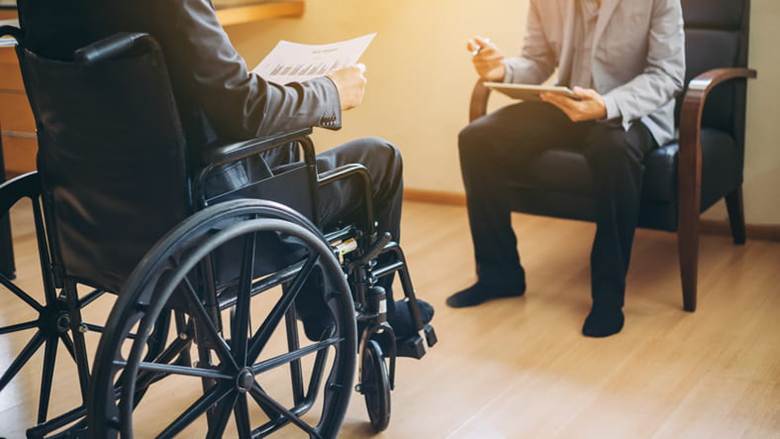
Some of the most catastrophic injuries you can suffer involve your spinal cord, which is part of your central nervous system. It controls motor movements, manages sensory input, and processes reflexes.
The spinal cord is divided into a number of regions, each one controlling different parts of your body, so the location of the injury will impact the consequences you face.
If you have sustained a spinal cord injury as a result of another party’s misconduct, you may be entitled to begin a personal injury lawsuit to recover your losses. At Bachus & Schanker, we can assist you through this.
What Are the Four Levels of the Spinal Cord?
There are four spinal cord levels or regions, including:
- Cervical: Area located in the neck that controls the head, neck, diaphragm, and arms.
- Thoracic: Located in the upper back/chest area and controls the abdomen and chest muscles.
- Lumbar: In the lower back, controlling the hips and legs.
- Sacral: Located at the base of the spine and controls the bladder, bowel, and sexual function.
An injury to any of these regions could leave you battling serious health issues that could prevent you from living your life normally.
How Does a Cervical Spinal Cord Injury Affect the Body?
Some of the most severe spinal cord injuries involve the cervical area. They are not as common as other types of spinal injuries, but when they do occur, they carry the risk of leaving you with partial or complete paralysis from the neck down.
These injuries, especially when involving vertebrae C1 through C4, can affect your breathing because they may paralyze the diaphragm. Lower neck injuries can still weaken breathing muscles and increase your chances of developing respiratory infections.
Your mobility and sensation from the neck down are usually severely impacted. There is also the chance of suffering from neurogenic shock, which makes it impossible to regulate your blood pressure and heart rate.
How Does a Thoracic Spinal Cord Injury Affect the Body?
A thoracic spinal cord injury usually causes paraplegia, which means the loss of sensation in the lower body, including the trunk and legs. You will preserve sensation and function in your arms and hands.
Depending on the height of the injury, the bowel, bladder, and sexual function could be impacted. Breathing could also become more difficult.
How Does a Lumbar Spinal Cord Injury Affect the Body?
A lumbar spinal cord injury affects the lower body, leading to paraplegia or a varying degree of weakness in your feet, legs, and hips.
It’s common for people with these injuries to experience loss of bowel and bladder control, chronic nerve pain, and loss of sexual function. Walking can still be possible, but many people require assistive devices.
How Does a Sacral Spinal Cord Injury Affect the Body?
A sacral spinal cord injury impacts the bowel, bladder, and sexual function. It can also affect sensation in the buttocks and groin and, sometimes, the feet. These injuries don’t typically prevent you from walking, but you may feel lower back pain and leg weakness.
Why Does the Location of the Injury Matter for Severity and Function?
The level of spinal cord injury and function issues you may experience are closely linked. The location dictates which vital structures have suffered damage and even whether the injury can receive enough blood and oxygen to heal.
Spinal cord injuries result in the complete or incomplete loss of function and sensation below the site of the injury. The higher up the injury occurs, the more severe the outcome because more of the body will be disconnected from the brain.
Can Spinal Cord Injuries at Different Levels Lead to Paralysis?
Yes, spinal cord injuries can lead to paralysis at different levels. Along with location, another factor that determines the amount of paralysis is whether the injury is complete or incomplete.
A complete injury is one in which all communication is lost below the injury, while an incomplete one means there is still some function and sensation.
How Can Bachus & Schanker Help Victims of Spinal Cord Injuries in Colorado?
The aftermath of an incident that leaves you with a spinal cord injury can be frightening and highly stressful. You don’t have to navigate this process on your own. At Bachus & Schanker, we know what it means to go through a life-altering accident. We offer compassionate representation that will address your exact needs.
With our decades of experience and dedication to treating each client like family, we can provide the support you deserve.
