COLORADO CAR ACCIDENT LAWYERS
If you’re struggling with painful and debilitating injuries after a crash, our car accident lawyers can help you fight for the compensation you deserve. We know that a car accident can change your life. Don’t let medical bills, lost income, and expenses burden you and your family. Let our Colorado motor vehicle accident lawyers advocate for your rights.
With years of experience dedicated to helping accident victims, our personal injury lawyers have a track record of success for our clients. Bachus & Schanker is ready to fight for justice and bring forward your car accident claim. We represent car accident victims, including families facing wrongful death claims, to recover maximum compensation with no upfront costs. Contact us today to learn how we can help you.
Bachus & Schanker Wins – Over $1 Billion Recovered
WHEN DO I NEED AN AUTO ACCIDENT ATTORNEY?
After a crash, you may have questions: Do I need a car wreck lawyer? Is there a truck accident attorney near me I can trust? Can I afford an attorney?
If you’ve been injured, there’s a good chance a personal injury lawyer can significantly improve your situation. Some of the circumstances where it may benefit you to have a lawyer include:
- Significant or permanent injuries occurred. If you received any medical care for your injuries, it’s worth asking us about your compensation.
- You can’t work because of your injuries
- It’s not clear who is at fault for the accident
- There is a commercial vehicle or driver involved in the case
- Multiple causes of the accident are possible
- A driver may have been under the influence
- The insurance company is stalling or low-balling the case
- You don’t know how to go about starting a case
- You’re wondering what types of compensation can be included, and if a settlement offer is fair
- There are questions about your legal rights, and you need answers
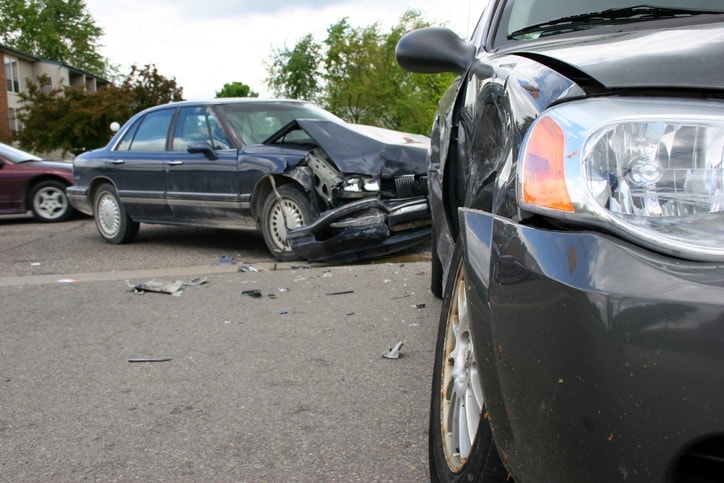
Generally, when there is more than just minor property damage that the insurance company pays quickly, or if you have medical bills, an auto accident lawyer can help. Our legal team works on contingency fees, so you don’t pay unless we win.
Don’t let the insurance companies intimidate you into accepting less than you deserve. We’re ready to fight for you. We resolve cases through fair settlements and through trial.
WHAT SHOULD I DO AFTER A CAR ACCIDENT?
If you are the victim of a car accident, the next steps you take will help determine what compensation you receive. If you do the right things, you can make it easier to recover damages quickly.
After a car crash, you should:
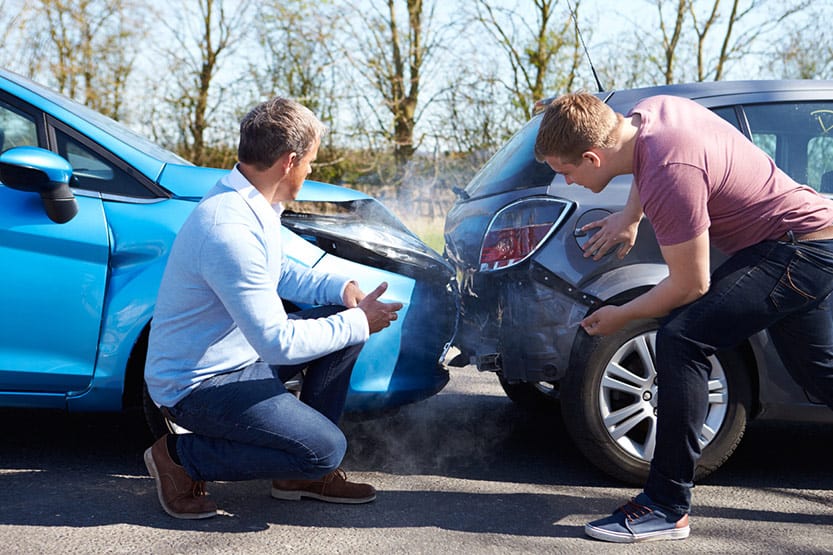
- Get to immediate safety, move vehicles out of the road if you can, and get to a safe place
- Call 911 or the non-emergency police number
- Ensure anyone injured gets prompt medical attention. If there is any chance you have injuries, get an evaluation from a medical professional.
- Get the name, license plate number, driver’s license number, address, phone number, and insurance information for all other drivers involved
- Get witness names and contact information, including for people in vehicles at the time of the accident
- Take photos of everything — the vehicles, the larger scene, the road, injuries, and property damage
- If the police respond to the scene, they should write a report. If they do not respond to the accident, file an accident report online as soon as you can (Colorado law 42-4-1606).
- Complete Form 2489 to get a copy of the accident report
- Keep records of medical care, lost income, and anything else relevant
- Contact a car accident attorney as soon as possible to help you understand your rights and file a lawsuit for compensation
It’s important to contact a car accident lawyer as soon as you can. They can help you preserve evidence of fault and damages and ensure you have the right support in place. We’ll fight for the compensation you deserve.
WHAT DAMAGES CAN I RECOVER IN A CAR ACCIDENT CASE?
Damages in car accident cases may include:
- Medical expenses, including hospital stays and doctor visits
- Home health care
- Physical therapy and rehabilitation costs
- Property damage
- Lost income
- Pain and suffering
- Emotional distress
The hidden costs of a car wreck may surprise you. Let our lawyers learn about your case to determine what it may be worth.
HOW DO I GET COMPENSATION FOR MY DAMAGES?

Colorado law requires all drivers to carry minimum amounts of insurance. This is just the beginning. There may be other sources of compensation like an employer for a commercial driver, other third parties who have fault, or even your own insurance. Our lawyers at one of the best car accident law firms can assist you in evaluating all sources to get compensation for damages.
Whether your case is large or small, you deserve a legal team that fights for you. Let us work to win your case, maximize your compensation, and get justice for you and your family.
HOW IS FAULT DETERMINED IN A DENVER CAR ACCIDENT?
Colorado uses an at-fault system for car accidents. Our law firm will evaluate the following to determine fault:
- Eyewitness testimony
- Video evidence
- Location of damage on the vehicle
- Marks and debris on the road
- Injuries
- Cell phone records
- Alcohol and drug tests following the crash
- Admissions of other parties
Remember, the police report isn’t the final say. Let our experienced lawyers fully investigate fault in your case.
WHAT ARE COMMON CAUSES OF CAR ACCIDENTS?
The following are common causes of car accidents:
- Speeding
- Failure to yield
- Improper turns
- Bad weather, driving in the rain
- Running a stop sign or red light
- Failing to leave enough following distance
- Distracted driving, texting
- Driving tired or fatigued
- DUI, drunk driving, driving under the influence of drugs
- Vehicle defects
- Road rage
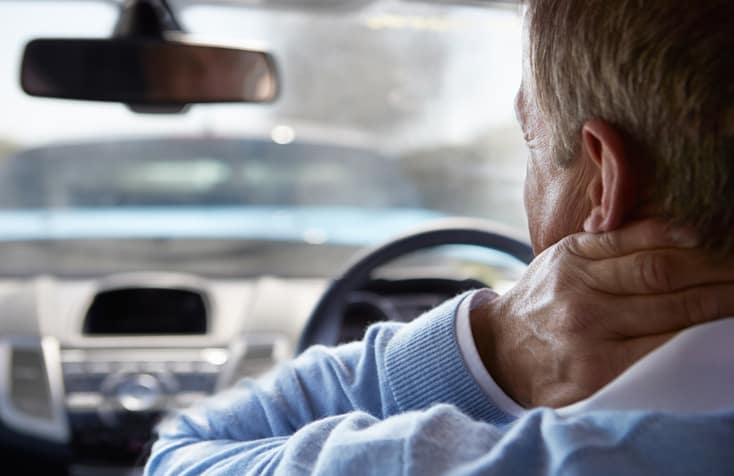
You may receive financial compensation for a car accident whether or not the other driver gets a ticket or criminal charges. Violating a traffic law is strong proof of negligence and fault for an accident.
IS THERE AN EXPERIENCED CAR ACCIDENT LAWYER NEAR ME?
At Bachus & Schanker, we have successfully recovered more than $1 billion in verdicts and settlements for our clients. We are trial lawyers — Our law firm has tried more personal injury cases in the past two years than any other law firm in Colorado. Whether we take your case to trial or negotiate a settlement, we fight for justice.
Car accident victims can fight back. See how our team of personal injury lawyers can represent you with no upfront costs to you or your family.

Free Consultation – Colorado Auto Accident Attorneys
Your case begins with a free consultation with our legal team, which includes experienced auto accident attorneys. Short deadlines may apply, so don’t wait to contact us about your potential case. We are conveniently located at five Colorado locations near you in Denver, Fort Collins, Colorado Springs, Aurora, and Englewood. We also have a location in Cheyenne, Wyoming. So, whether you are searching for a ‘truck accident lawyer near me’ or need a personal injury lawyer for a different type of motor vehicle accident, our auto accident attorneys are ready to serve you and fight for the compensation you deserve.
Visit our Auto Accident Law Offices In Denver
Denver, Colorado Law Firm
950 17th Street, Suite 1050
Denver, CO 80202
Fax: 303-893-9900
We can also meet you at home or in the hospital.
Car Accident Compensation – FAQs
CAR ACCIDENT LEGAL REVIEWS
Related Car Accident Resources













You Deserve Fair Compensation
Don’t let the insurance companies intimidate you into accepting less than you deserve. We’re ready to fight for you.

Written and Legally Reviewed By: Kyle Bachus
 4.6 ★★★★★ 1,461 Google Reviews
Kyle is a member of the Colorado and Florida Bar associations and has served on the Board of Directors of the Colorado Trial Lawyers Association for more than twenty years in total. Over the years, Kyle has achieved justice for many clients. He has served on numerous committees and repeatedly won recognition from his peers at both the state and national level. He is proud of the role he has played in the passage of state and national legislation to protect consumers and is a frequent speaker and guest lecturer.