This weekend our neighborhoods will be overrun by ghouls, goblins and ghosts and no, it’s not the latest horror flick come to life. This year Halloween falls on a Saturday, which is great for the kids who go out for “Trick or Treat.” It also makes conditions more hazardous for “Trick or Treating”, combining a dangerous mix of large numbers of children on the streets after dark and adults driving to their kids around town for Trick or Treat or Halloween parties.
Statistically, 5 to 12 year old children are four times more likely to be injured on Halloween night due to falls and car crashes.
To help ensure that your children have a safe and happy Halloween, follow these tips from the American Academy of Pediatrics.
ALL DRESSED UP:
-Plan costumes that are bright and reflective. Make sure that shoes fit well and that costumes are short enough to prevent tripping, entanglement or contact with flame.
-Consider adding reflective tape or striping to costumes and Trick-or-Treat bags for greater visibility.
-Because masks can limit or block eyesight, consider non-toxic makeup and decorative hats as safer -When shopping for costumes, wigs and accessories look for and purchase those with a label clearly indicating they are flame resistant.
-If a sword, cane, or stick is a part of your child’s costume, make sure it is not sharp or too long. A child may be easily hurt by these accessories if he stumbles or trips.
-Obtain flashlights with fresh batteries for all children and their escorts.
-Teach children how to call 9-1-1 (or their local emergency number) if they have an emergency or become lost.
CARVING A NICHE:
-Small children should never carve pumpkins. Children can draw a face with markers. Then parents can do the cutting.
-Votive candles are safest for candle-lit pumpkins.
-Candlelit pumpkins should be placed on a sturdy table, away from curtains and other flammable objects, and should never be left unattended.
HOME SAFE HOME:
-To keep homes safe for visiting trick-or-treaters, parents should remove from the porch and front yard anything a child could trip over such as garden hoses, toys, bikes and lawn decorations.
-Parents should check outdoor lights and replace burned-out bulbs.
-Wet leaves should be swept from sidewalks and steps.
-Restrain pets so they do not inadvertently jump on or bite a trick-or-treater.
ON THE TRICK-OR-TREAT TRAIL:
-A parent or responsible adult should always accompany young children on their neighborhood rounds.
-If your older children are going alone, plan and review the route that is acceptable to you. Agree on a specific time when they should return home.
-Only go to homes with a porch light on and never enter a home or car for a treat.
Because pedestrian injuries are the most common injuries to children on Halloween, remind Trick-or-Treaters:
-Stay in a group and communicate where they will be going.
-Carry a cell phone for quick communication.
-Remain on well-lit streets and always use the sidewalk.
-If no sidewalk is available, walk at the far edge of the roadway facing traffic.
-Never cut across yards or use alleys.
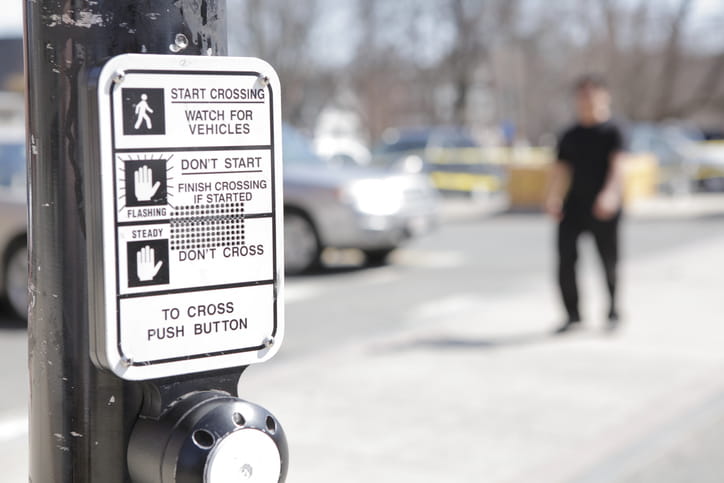
-Only cross the street as a group in established crosswalks (as recognized by local custom). Never cross between parked cars or out driveways.
-Don’t assume the right of way. Motorists may have trouble seeing Trick-or-Treaters. Just because one car stops, doesn’t mean others will!
-Law enforcement authorities should be notified immediately of any suspicious or unlawful activity.
HEALTHY HALLOWEEN:
-A good meal prior to parties and trick-or-treating will discourage youngsters from filling up on Halloween treats.
-Consider purchasing non-food treats for those who visit your home, such as coloring books or pens and pencils.
-Wait until children are home to sort and check treats. Though tampering is rare, a responsible adult should closely examine all treats and throw away any spoiled, unwrapped or suspicious items.
-Try to ration treats for the days following Halloween.
Let’s keep our neighborhood children safe this Halloween. Click here for more Halloween safety tips.